When the global pulp and paper industry moves, we report it first — trusted by 10000 subscribers across 85 countries

B.C. to Ease Carbon Pricing for Pulp Mills amid Forestry Sector Challenges
PAPER INDUSTRY NEWS
Jino John
4/14/20261 min read
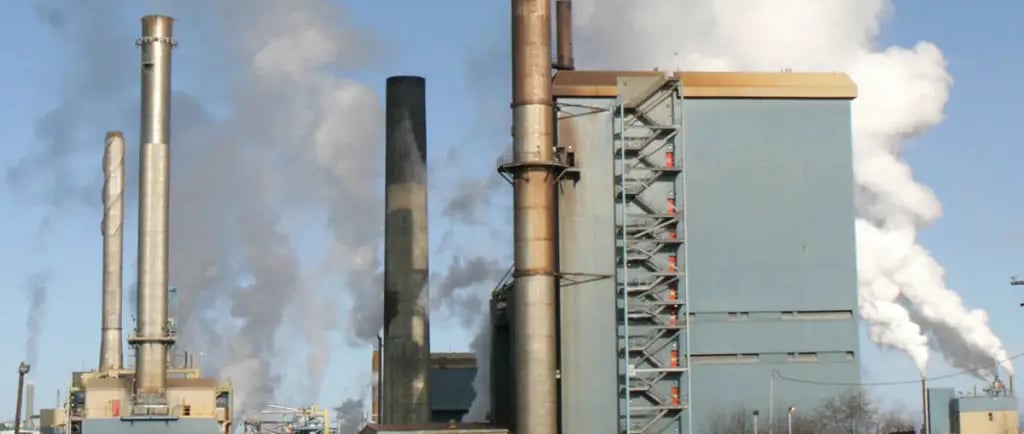
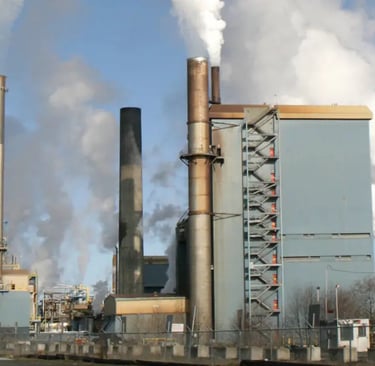
The Government of British Columbia plans to ease industrial carbon pricing for pulp mills as the province’s forestry sector faces ongoing economic pressures, Premier David Eby said at an industry conference.
Speaking at the annual meeting of the B.C. Council of Forest Industries, Eby said the government is working with industry stakeholders to address rising costs, including those linked to carbon pricing and water permits.
British Columbia eliminated its consumer carbon tax in 2025 but retained industrial carbon pricing, which requires companies to pay for emissions. Eby said adjustments are needed for pulp mills, where certain emissions—particularly from lime kilns—are difficult to reduce.
“Putting costs on for no reason, for no end goal, is something that we do not want to do,” he said.
The proposed changes come as the province’s forestry sector contends with mill closures and job losses. Recent developments include the departure of the last workers from the Crofton pulp mill operated by Domtar.
Industry challenges were a central focus at the conference, with participants citing U.S. duties on Canadian softwood lumber, limited access to economically viable timber, regulatory complexity, and lengthy permitting processes as key constraints on competitiveness.
Interim B.C. Conservative Leader Trevor Halford also addressed the gathering, arguing that domestic structural issues have contributed to the sector’s decline alongside external trade pressures.
Eby acknowledged the need for regulatory reform, including faster permitting, while noting that factors such as wildfire damage and reduced timber supply have also affected output levels.
The discussions reflect broader concerns about the long-term sustainability and competitiveness of British Columbia’s forest industry, as stakeholders call for policy adjustments and strategic planning to support the sector’s future.