When the global pulp and paper industry moves, we report it first — trusted by 10000 subscribers across 85 countries

Bracell Secures R$1.5bn from BTG for Forest Planting
PAPER INDUSTRY NEWS
Jino John
5/11/20261 min read
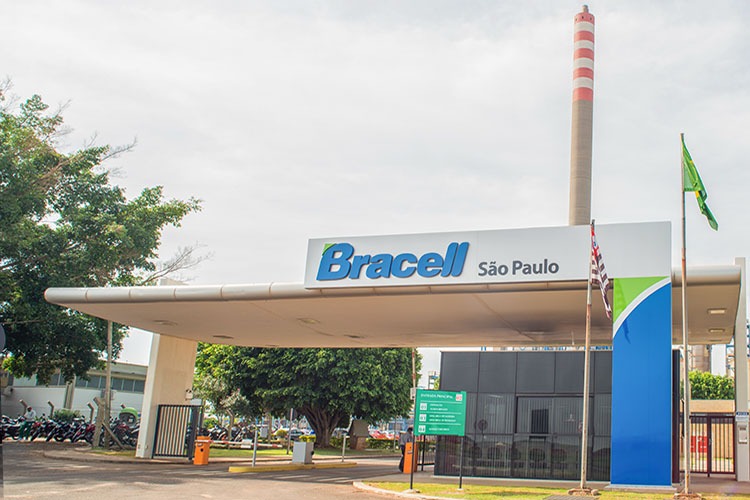
Bracell has secured a R$1.5 billion credit line from BTG Pactual to finance eucalyptus planting on degraded land in Mato Grosso do Sul state, where the company plans to build a new pulp mill with an estimated investment of $4 billion.
The financing forms part of the second auction under Eco Invest Brasil, a programme designed to combine public and private funding to support sustainable investment projects in Brazil. BTG Pactual, which emerged as the largest private bank participant in the auction, has committed a total of R$4.9 billion toward the restoration of degraded land for agricultural and forestry production.
Under the programme, BTG committed to enabling the restoration of 164,000 hectares of degraded land. The agreement with Bracell was the first contract signed and accounts for approximately one-third of the targeted restoration area, covering 54,000 hectares in Brazil’s Cerrado biome.
The credit facility has a 10-year term and is intended to support the expansion of Bracell’s forestry base ahead of the planned construction of a new pulp mill in Bataguassu. If construction begins later this year as anticipated, the mill could start operations in 2029 with an annual production capacity of 2.8 million tonnes.
“This transaction is a win-win: financing terms compatible with eucalyptus’s seven-year cycle, at competitive cost, while also restoring degraded land,” said Rogerio Stallone.
In a statement, Claudio Pitchon said the financing would support “the expansion of our forest base, while also contributing to carbon capture and storage.”
Bracell, which operates pulp mills in Bahia and São Paulo and is among the world’s largest producers of dissolving pulp, has pledged to preserve one hectare of native vegetation for every hectare of eucalyptus planted.
According to Rafaella Dortas, the bank assessed its ability to meet the monitoring requirements of the Eco Invest programme, including tracking restored land and carbon storage outcomes.