When the global pulp and paper industry moves, we report it first — trusted by 10000 subscribers across 85 countries

Brazilian Pulp Production Approaches 30 Million Tons, Strengthening Global Leadership
PAPER INDUSTRY NEWS
Jino John
3/27/20261 min read
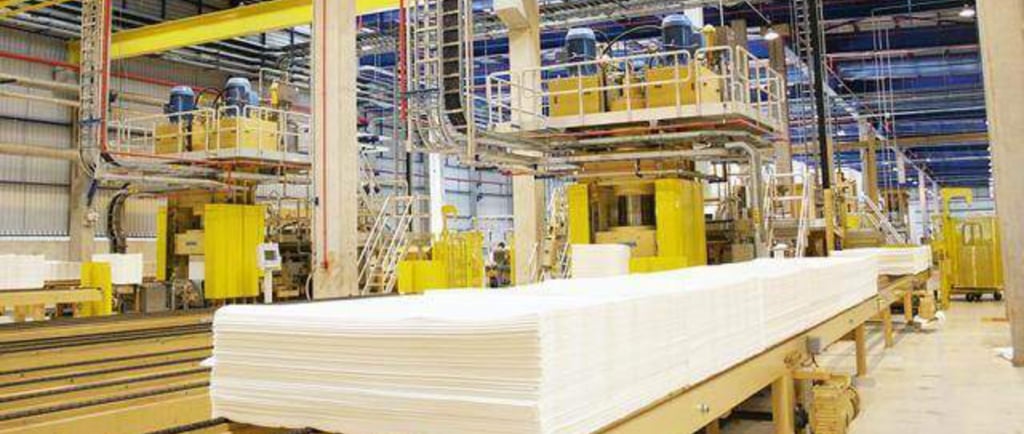
Brazil’s pulp industry continues to solidify its position as a global leader, with national production approaching 30 million tons annually. The milestone was highlighted during Pulp Summit Latinoamérica, where Paulo Hartung, president of the Brazilian Tree Industry (Ibá), presented a comprehensive overview of the sector’s performance and future outlook.
The presentation reinforced the cultivated tree sector as one of the most successful segments of Brazil’s industrial landscape—distinguished by its scale, export strength, and strong commitment to sustainability.
Scale, Exports, and Global Relevance
Brazil currently produces approximately 29.4 million tons of pulp per year, with more than 20 million tons exported. These figures position the country among the leading global suppliers, reinforcing its strategic role in international trade and its reputation as a competitive and reliable producer.
The sector has increasingly established itself as a “brand of Brazil,” recognized worldwide for its operational efficiency, innovation, and sustainable practices.
Industrial Expansion and Technological Leadership
A major milestone in the sector’s expansion is the recent start-up of the Ribas do Rio Pardo (MS) plant, now recognized as the largest pulp production unit in the world. The facility highlights the high level of investment, advanced technology, and industrial sophistication achieved within Brazil’s pulp industry.
Sustainability at the Core
Sustainability remains a central pillar of the sector’s growth model. The industry operates under a mosaic system that integrates production forests with conservation areas, ensuring responsible land use and biodiversity protection. Currently, approximately 7 million hectares are preserved, reinforcing the sector’s commitment to environmental stewardship.
Addressing Challenges and Looking Ahead
During his presentation, Hartung emphasized the importance of building on proven strategies and avoiding recurring policy missteps. He highlighted the need to strengthen initiatives that have consistently delivered results, ensuring long-term competitiveness and sustainable growth.
Aligned with the principles of Industry 5.0, Brazil’s pulp sector continues to integrate productivity, sustainability, and strategic innovation. This approach has been fundamental in consolidating the country’s leadership in the global forest-based supply chain.