When the global pulp and paper industry moves, we report it first — trusted by 5,000 subscribers across 80 countries

Clean Nara Completes 1.03 MW Solar Power Installation at Cheongju Plant
PAPER INDUSTRY NEWS
Jino John
6/29/20261 min read
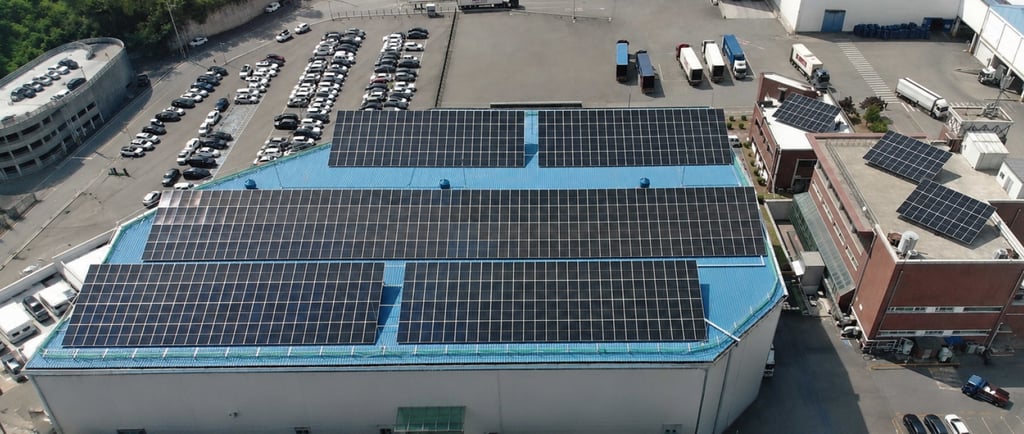
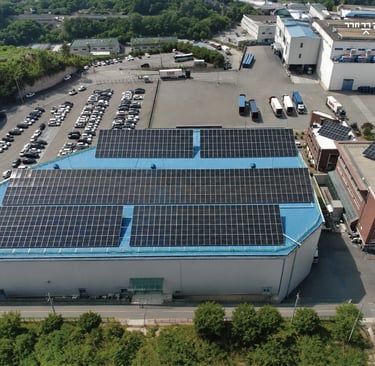
Clean Nara has completed the installation of a 1.03 MW solar power generation system at its Cheongju manufacturing plant as part of the Korea Environment Corporation's Carbon Neutrality Facility Support Project.
The project was carried out under the government-backed program established to support carbon neutrality and energy transition in South Korea's industrial sector. Clean Nara was selected for the initiative in 2025 and received government funding covering 50% of the project's total cost.
The solar installation has been deployed across the rooftops of five buildings within the Cheongju facility, including the Mill Roll Warehouse, Jungmun Warehouse, Sanitary Pad Building, Administration Building, and Welfare Center. Installation work began in March 2026 and has now been completed, with the system entering full-scale operation.
According to the company, the solar power system is expected to generate approximately 1,198 MWh of electricity annually. Clean Nara estimates the project will reduce electricity costs, improve energy efficiency, and lower greenhouse gas emissions by approximately 550 tonnes per year.
To support long-term operation, the company has implemented a power generation monitoring system that tracks electricity production on a real-time, daily, monthly, and annual basis. Clean Nara said it has also established a maintenance program in cooperation with specialized service providers, including a 24-hour management system and regular preventive inspections to support operational reliability.
The company said it plans to use performance data from the new system to monitor operational efficiency and greenhouse gas reductions while evaluating additional investments in renewable energy and energy efficiency improvements.
According to Clean Nara, the project forms part of its broader strategy to support South Korea's carbon neutrality policy while strengthening manufacturing competitiveness. In addition to expanding renewable energy use, the company said it continues to invest in energy recovery facilities and steam generation systems that utilize waste as fuel to improve energy self-sufficiency, reduce greenhouse gas emissions, and support sustainable manufacturing.