When the global pulp and paper industry moves, we report it first — trusted by 11,000+ subscribers across 85 countries

Dead Fish Count Nears 2,000 After Chemical Release at Longview Pulp Mill
PAPER INDUSTRY NEWS
Jino John
6/1/20261 min read
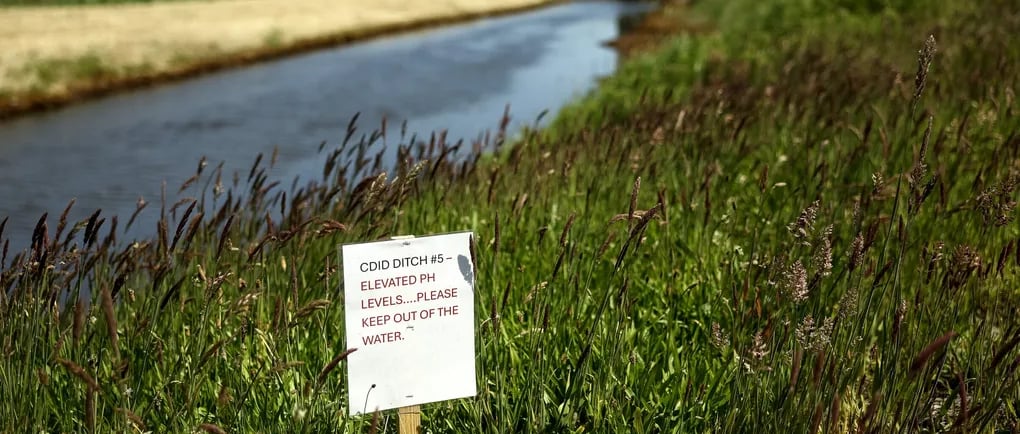
The number of dead fish linked to a chemical release following an industrial accident at Nippon Dynawave Packaging has risen sharply, with response crews reporting nearly 2,000 fish recovered by Sunday in waterways near the mill.
The incident followed an implosion Tuesday at the company's pulp and paper facility in Longview that killed 11 workers. Authorities said the city’s drinking water remains safe and air quality monitoring has not detected concerns.
According to the Washington Department of Ecology, crews collected 23 dead fish in the affected area on Friday. The count increased to 200 by Saturday and approached 2,000 by Sunday evening, with most fish found in ditches and sloughs in western Longview.
Officials said many fish had died earlier and were being flushed from waterways as crews pumped clean water through the city’s drainage system. Authorities expect the number of reported fish deaths to continue increasing.
The majority of fish recovered were carp, although crews also found channel catfish, brown bullhead, pumpkinseed sunfish, bluegill, redside shiners, bass, peamouth chub and bridgelip sucker. One hatchery-raised coho salmon was also recovered. Response teams reported finding a small number of dead tadpoles and other small animals but said wildlife impacts observed so far remain limited.
The ruptured tank involved in the accident had a capacity of 900,000 gallons of “white liquor,” a highly caustic chemical solution used in pulp production. Officials from the Environmental Protection Agency said the release entered a storm drain and drainage ditch network connected to parts of the community.
Authorities reported that most of the chemical remained on the mill site. Cleanup efforts have reduced discharged water to safe pH levels before it reaches the Columbia River, and no fish or wildlife impacts have been observed in the river itself.
The Department of Ecology continues to advise residents to avoid affected sloughs, dikes and drainage ditches and to keep pets away from marked areas while monitoring and cleanup operations continue.