When the global pulp and paper industry moves, we report it first — trusted by 10000 subscribers across 85 countries

Fatal Paper Mill Accidents Spur Urgent Calls for Industry-Wide Safety Reform in South Korea
PAPER INDUSTRY NEWS
Jino John
3/30/20262 min read
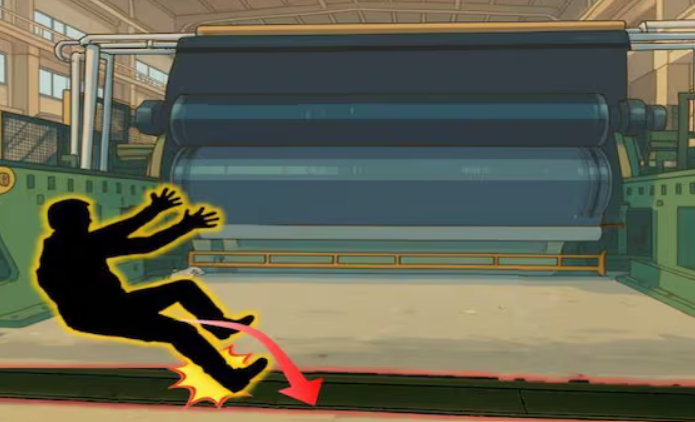

A series of fatal workplace accidents across South Korea’s paper manufacturing sector has intensified calls for comprehensive safety reforms, following the recent death of a worker at Asia Paper Manufacturing’s Sejong plant.
Industry data indicates that four workers have lost their lives in separate incidents at major paper production facilities over the past two years. The affected sites include Asia Paper Manufacturing in Sejong, Jeil Industry in Anseong, Hansol Paper in Daejeon, and Hankuk Paper in Daegu. The primary causes of these incidents have been identified as falls and entanglement in machinery.
The most recent tragedy occurred on March 24 at the Sejong plant, where a worker fell approximately four meters into an agitator while handling waste paper during the reel processing stage. The worker is believed to have fallen through an open input port while transferring defective paper to a rereeling system.
Similar fatal accidents have been reported across other facilities. In July of last year, a worker at Hansol Paper’s Sintanjin plant died after falling into an agitator under comparable circumstances. Additional incidents include a fatal entanglement at Hankuk Paper’s Hyeonpung plant in November, where a worker was caught in a rotating coating roller, and another at Jeil Industry’s Anseong plant, where a worker was caught in transport equipment.
The paper manufacturing industry continues to face elevated safety risks. According to the Ministry of Employment and Labor, the accident rate in the “wood and paper products manufacturing” sector reached 0.96% as of the third quarter last year, significantly exceeding the overall manufacturing average of 0.60%. The fatality rate also remains higher than average, at 1.18 deaths per 10,000 workers compared to 1.01 across manufacturing.
Labor advocates and safety experts are calling for immediate action, including stricter enforcement of safety regulations, improved machine guarding systems, enhanced worker training, and mandatory risk assessments for high-risk processes such as waste paper handling and equipment maintenance.
“This pattern of repeated fatalities highlights systemic safety failures that must be addressed without delay,” said an industry safety expert. “Preventable accidents continue to occur under similar conditions, indicating a need for stronger oversight and accountability.”
Stakeholders across the industry are urging both government authorities and corporate leaders to prioritize worker safety and implement robust preventative measures to ensure such tragedies are not repeated.