When the global pulp and paper industry moves, we report it first — trusted by 10000 subscribers across 85 countries

France’s Corrugated Board Industry Warns of Mounting Energy and Regulatory Risks
PAPER INDUSTRY NEWS
Jino John
3/27/20262 min read

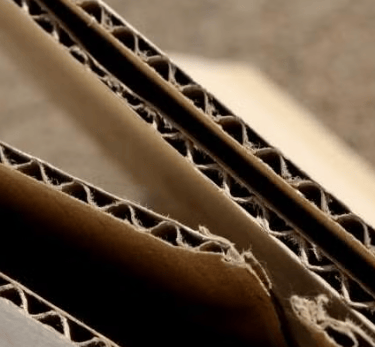
The French corrugated board industry is entering a period of heightened uncertainty, as escalating energy risks and increasing regulatory pressures threaten to undermine its stability and competitiveness. According to Carton Ondulé de France, which represents more than 70% of the sector, the industry faces the potential of a new energy shock driven by rising geopolitical tensions, particularly in the Middle East.
The sector is still recovering from two major crises over the past few years. In 2020, production declined by 3.8% due to the COVID-19 pandemic, which also reduced the availability of recycled raw materials—critical for an industry that relies on them for 94% of its inputs. While 2021 saw a 5% rebound, this was largely attributed to restocking rather than sustained growth.
The second disruption came with the war in Ukraine, which caused gas and electricity prices to more than double, significantly increasing production costs. As a result, output dropped by 4.5% in 2022 and a further 7.5% in 2023.
Now, the risk of further geopolitical instability—particularly involving Iran—could intensify these challenges by driving up energy costs and dampening consumption. This comes at a time when manufacturers are already grappling with rising regulatory burdens and operational uncertainties.
One key concern is the introduction of Extended Producer Responsibility (EPR) for professional packaging. According to estimates from Ademe, this measure could cost the sector nearly €72 million, representing approximately 1.5% of total sales. In addition to financial impacts, companies must comply with new requirements related to material traceability, reuse systems, and eco-design initiatives.
Philippe Durand, President of Carton Ondulé de France, emphasized the broader implications:
"The issue is not just one of additional regulatory costs. It is about a gradual weakening of companies' ability to withstand shocks. Accumulating constraints without a comprehensive impact assessment risks undermining industrial players who should instead be strengthened."
The organization highlights a paradox: the corrugated cardboard sector is already a leader in the circular economy, having surpassed European recycling targets nearly a decade ahead of schedule. Further regulatory pressure, it argues, risks penalizing an industry that is both environmentally responsible and strategically important for industrial sovereignty.
Carton Ondulé de France is calling for immediate dialogue with public authorities to ensure a more balanced and coherent regulatory framework.
"This is not about opposing environmental responsibility," the organization states, "but about avoiding a fragmented approach that weakens a vital and already committed industry."