When the global pulp and paper industry moves, we report it first — trusted by 10000 subscribers across 85 countries

Global Pulp Prices Rise for Sixth Consecutive Month, Increasing Pressure on Paper Producers
PAPER INDUSTRY NEWS
Jino John
3/4/20261 min read
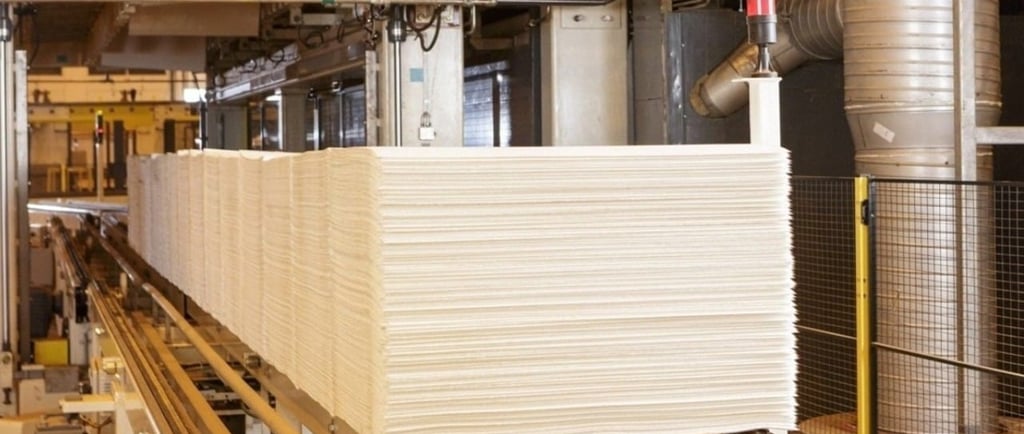
Seoul, South Korea — March 3, 2026 — Global pulp prices have increased for the sixth consecutive month, raising concerns about potential price increases for paper products across international markets.
According to industry data from South Korea’s Ministry of Trade, Industry and Energy, the average price of Southern Bleached Hardwood Kraft (SBHK) pulp, a global benchmark for pulp pricing, reached $740 per ton in February, representing a 5.7% increase from $700 in January. Prices have climbed steadily since August 2025, when they fell to a two-year low of $630 per ton.
Market analysts attribute the continued rise in pulp prices to reduced supply from major South American producers and strong demand from the Chinese market, particularly during the Lunar New Year and back-to-school seasons.
The tightening supply environment has also been influenced by disruptions in the woodchip supply chain, including the revocation of a license for an Indonesian woodchip supplier due to illegal logging concerns, further adding to market uncertainty.
Impact on the Paper Industry
Rising pulp prices are creating significant cost pressure for paper manufacturers, as raw materials account for roughly 60% of total paper production costs. South Korea’s paper industry is particularly vulnerable because approximately 85% of pulp used domestically is imported.
In response to higher input costs, some paper producers have already begun adjusting pricing strategies. For example, leading Korean paper manufacturers have recently increased prices for certain products, including white cardboard, by reducing discount rates or implementing price hikes.
Industry experts expect the upward trend in pulp prices to continue through the first half of 2026, potentially prompting additional price increases for products such as printing paper, tissue, and white cardboard. However, weaker domestic paper demand and government efforts to limit consumer price increases may make companies cautious about implementing further price hikes.
Market Outlook
Analysts say the global pulp market remains sensitive to supply adjustments, energy prices, exchange rate fluctuations, and geopolitical developments, all of which could influence pulp and paper prices in the coming months.