When the global pulp and paper industry moves, we report it first — trusted by 10000 subscribers across 85 countries

Hankuk Paper Swings to Net Loss on Impairments, Weak Demand; Delisting Concerns Rise
Jino John
4/15/20261 min read
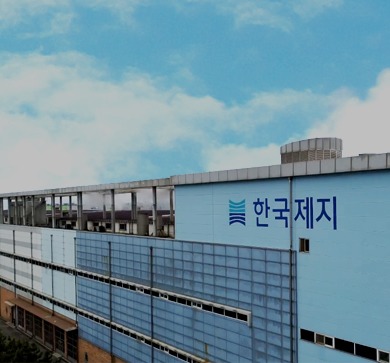
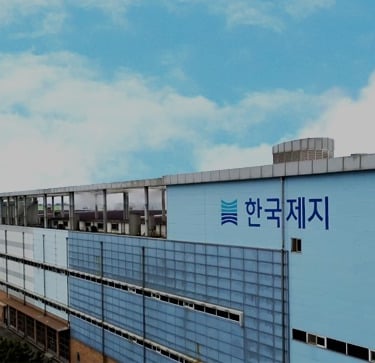
Hankuk Paper has reported a sharp deterioration in financial performance for 2025, posting a net loss amid weakening demand, rising costs, and significant asset impairment charges, raising concerns over potential delisting risks.
According to filings with the Financial Supervisory Service on April 15, the company recorded consolidated revenue of 753.7 billion won, down 4.8% year-on-year. Operating profit fell more than 80% to 3.1 billion won from 19.3 billion won, while net profit swung from a 4.1 billion won surplus to a net loss of 33.5 billion won.
The downturn was driven primarily by a slowdown in core paper demand alongside rising input costs, including pulp and energy expenses, which significantly eroded operating margins.
The company also booked approximately 41.49 billion won in impairment losses on property, plant and equipment within its packaging and institutional sector, alongside additional write-downs on intangible assets. These nonrecurring charges were a major factor behind the net loss.
Operational disruption also played a role. A fatal accident involving a paper machine at the Hyunpoong plant in November led to a temporary partial shutdown, which was lifted in December. The facility, a key production site, generates approximately 185.5 billion won in annual revenue.
Hankuk Paper said the impairments reflected broader changes in expected asset profitability rather than a single event. “As impairment indicators were identified in the package institutional sector, we carried out an impairment test and recognized impairment losses,” the company stated.
Key financial indicators also weakened. Total equity declined to 406.2 billion won from 441.7 billion won, while retained earnings shifted to a 27.7 billion won accumulated deficit. Total assets fell to 665 billion won from 755.1 billion won, and current assets dropped to 327.9 billion won, indicating reduced short-term liquidity.
Inventory levels decreased to 122.9 billion won, but inventory turnover slowed from 5.16 to 4.80 times, signaling reduced efficiency.
With declining demand across the paper sector and mounting financial pressure, the company faces continued uncertainty in its operational outlook.