When the global pulp and paper industry moves, we report it first — trusted by 10000 subscribers across 85 countries
IIT Roorkee Partners with Amazon on Crop Waste Packaging
PAPER INDUSTRY NEWS
Jino John
2/5/20261 min read
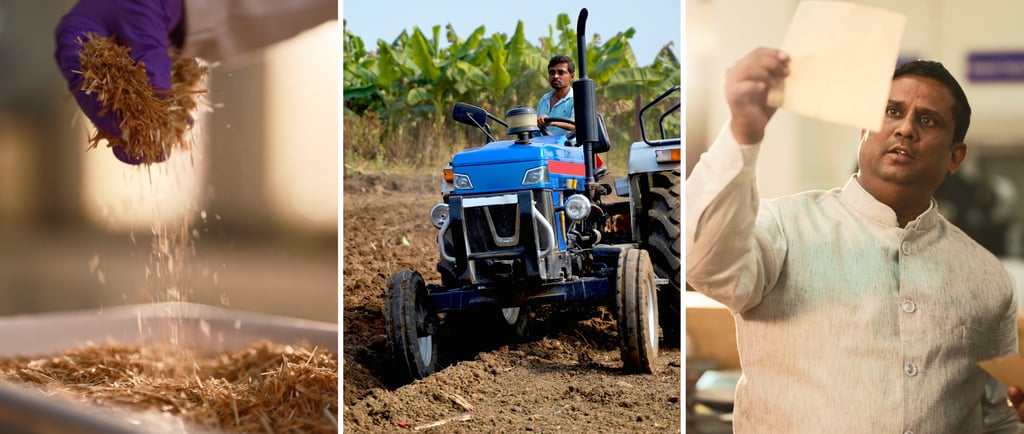
Amazon India has collaborated with the Indian Institute of Technology Roorkee to create paper packaging from agricultural waste. The effort focuses on transforming wheat straw and bagasse into strong, lightweight, recyclable, and home-compostable mailers. This approach seeks to decrease dependence on virgin wood pulp and tackle stubble burning in India.
The work will occur at IIT Roorkee’s Department of Paper and Packaging Technology, under the guidance of Professor Vibhore Kumar Rastogi and Dr Anurag Kulshreshtha. Spanning over 15 months, the team plans to develop and evaluate non-wood pulp for mailers that equal conventional paper in strength and durability. Should it succeed, Amazon will back industrial trials, process validation, and commercial production by mid to late next year.
“This collaboration between IIT Roorkee and Amazon advances India’s circular economy vision,” said Professor Kamal Kishore Pant, Director of IIT Roorkee. “By converting agricultural residues into biodegradable packaging materials, we address stubble burning, cut reliance on virgin materials, and deliver scalable solutions for industries and farmers.”
Environmental and Economic Impact
The project may offer farmers a market for crop residues, converting waste into revenue. Lightweight, compostable packaging cuts plastic use and aids supply chain sustainability.
Abhinav Singh, Vice President of Operations at Amazon India, noted, “India generates nearly 500 million tons of this waste annually, and by repurposing it into packaging, we can support a more circular economy while reducing reliance on conventional materials.”
Amazon’s Sustainability Drive
Amazon India removed single-use plastic from packaging in 2019 and now ships over half of orders in original or reduced packaging. Operating in more than 300 cities, the company aims for net-zero carbon by 2040 and plans to return more water to communities than it consumes by 2027. Success in this partnership could shift crop residues from pollutants to resources, yielding environmental gains, farmer income, and nationwide sustainable packaging progress.