When the global pulp and paper industry moves, we report it first — trusted by 10000 subscribers across 85 countries

India Pulp Prices Rise 2.5% in December on Supply Tightness and Firm Demand
PAPER INDUSTRY NEWS
Jino John
1/16/20262 min read
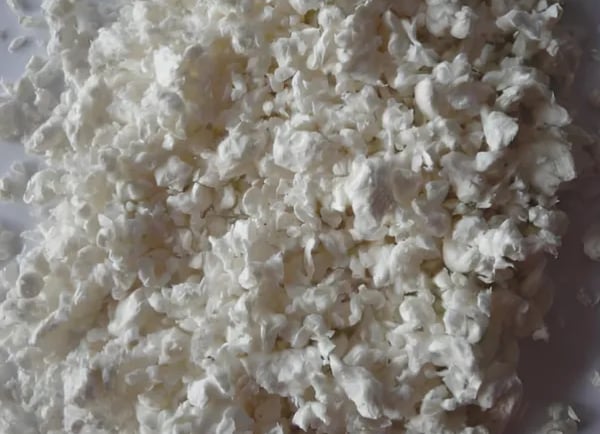
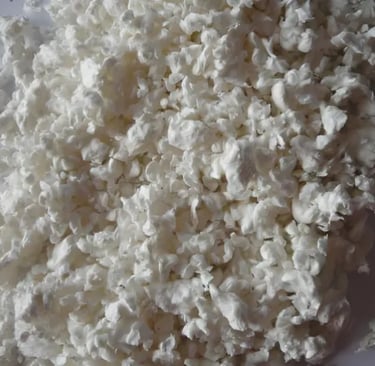
The India importing market for cellulose-based wood pulp ended December 2025 on a firmer footing, with average landed prices for CFR JNPT climbing 2.5% month-over-month following a drop in November. This uptick stemmed from constrained global supply and currency-related cost pressures, even as downstream demand in India held steady. Sellers transferred these higher costs to buyers, who stayed engaged ahead of seasonal demand surges.
India’s retail and fast-moving consumer goods sector wrapped up the year showing initial recovery signals, creating a favorable setting for pulp and paper consumption despite lingering structural issues. Retail inflation increased for the second consecutive month to 1.33% in December, driven by elevated food and personal care prices, yet it stayed below the Reserve Bank of India’s 4% target for the 11th month in a row. The mild inflation environment bolstered spending on essentials, indirectly aiding demand for packaging board, tissue, and hygiene papers. The FMCG sector saw a volume-driven rebound in the December quarter, fueled by Goods and Services Tax effects, festive demand, and lower input costs.
On the supply front, December highlighted India’s dependence on imported pulp, with no new local capacity emerging. Importers noted that mill inventories shrank to about three weeks of consumption—below the typical one-month buffer for pulp buyers. This stock squeeze compelled packaging and tissue producers to secure pulp at rising prices to avoid disruptions. Traders observed a shift to a seller-driven market late in the month, with limited room for spot price bargaining.
Demand stayed robust through December. Packaging board saw strong uptake from ongoing e-commerce needs and FMCG restocking for end-of-year promotions. The academic printing period from December to February boosted printing and writing paper demand, prompting integrated mills to raise operating rates. These factors enabled steady pulp intake despite cost increases.
The tissue segment gained further from catering, medical, and sanitary applications. Sources linked higher hardwood pulp use to rising preference for paper substitutes amid India’s push against single-use plastics.
Overall, December 2025 closed bullishly for India’s imported pulp market. Tighter global supply, low domestic stocks, and a weaker currency drove prices higher, while solid demand from packaging, tissue, and printing segments justified the premiums. Traders enter early 2026 watching global mill output, exchange rates, and end-user demand trends.