When the global pulp and paper industry moves, we report it first — trusted by 10000 subscribers across 85 countries

Iraq Shifts Toward Paper Alternatives as Plastic Import Curbs and Taxes Advance
PAPER INDUSTRY NEWS
Jino John
5/25/20261 min read
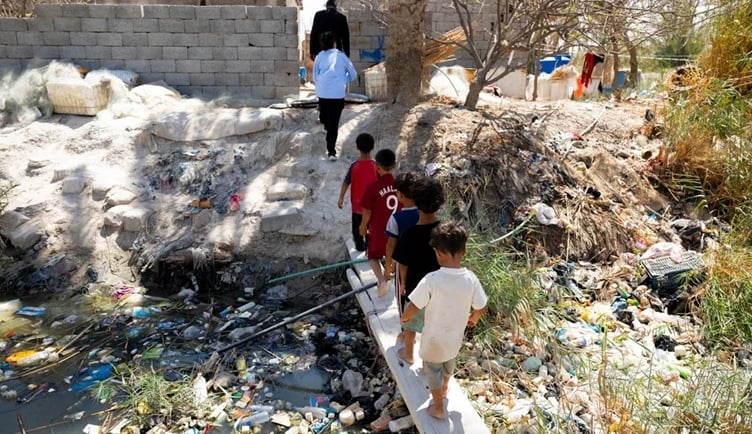
Iraq imports approximately $3 billion worth of plastic products each year, accounting for nearly three percent of the country’s annual budget, as the government advances plans to restrict plastic imports and impose taxes on domestic plastic production, according to the Iraqi Ministry of Environment.
Luay al-Mukhtar, spokesperson for the ministry, said Iraq generates around 10,000 tons of waste daily, with plastics making up between 20 and 40 percent of the total. He noted that the collection and sorting of plastic waste remains costly and often economically unviable, limiting private sector participation in recycling activities.
Mukhtar warned that single-use and short-lived plastic products, including water bottles, nylon bags, and disposable utensils, pose the greatest environmental threat. He added that only around 10 percent of plastic is recycled globally, while roughly 60 percent of worldwide plastic production consists of short-lived items that quickly become waste.
The comments followed a cabinet decision issued earlier this week by the government of Prime Minister Ali al-Zaidi to ban the distribution, use, and importation of plastic bags in shops and bakeries, replacing them with biodegradable alternatives.
According to the Prime Minister’s office, the cabinet also approved the formation of a specialized committee to develop mechanisms supporting waste sorting and recycling projects, encourage a transition to paper bags, and promote investment in paper manufacturing industries.
Mukhtar said the import of nylon bags would be fully prohibited and that “heavy taxes” would be imposed on local plastic production. He added that authorities aim to encourage consumers to use reusable cloth bags instead of disposable plastic bags.
Despite being one of the world’s major crude oil producers, Iraq’s petrochemical sector remains underdeveloped. Mukhtar expressed concern that the country has not expanded its petrochemical industry in line with Gulf states.
Iraq had planned to increase petrochemical production through the $8.5 billion Nebras Petrochemical Project in Basra, designed to produce 1.8 million tons of petrochemicals annually. However, construction was halted after Shell withdrew from the project in February 2024.