When the global pulp and paper industry moves, we report it first — trusted by 10000 subscribers across 85 countries

Kimberly-Clark Hydrogen Supply Project Advances at Barrow Tissue Mill
PAPER INDUSTRY NEWS
Jino John
5/23/20261 min read
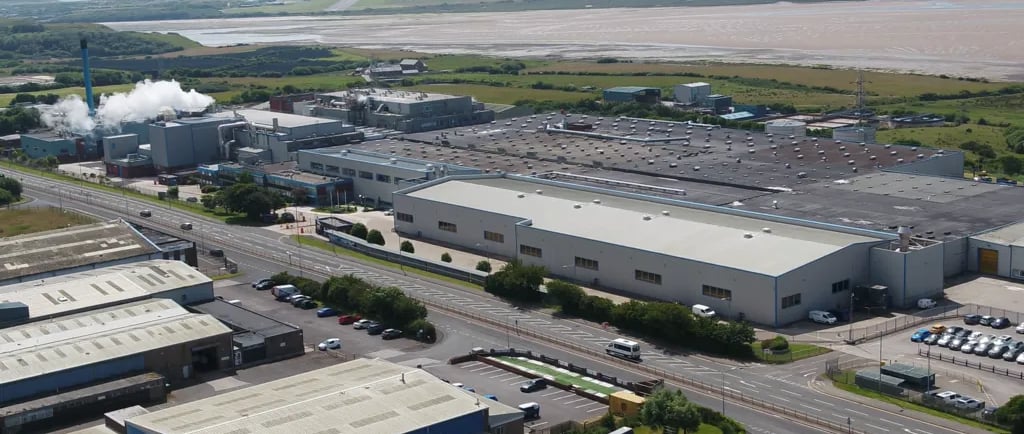
A hydrogen supply project aimed at reducing fossil fuel use at Kimberly-Clark’s tissue manufacturing site in Barrow-in-Furness has reached final investment approval, marking a further step in the pulp and paper sector’s transition toward lower-carbon production.
Schroders Greencoat and Carlton Power said they had taken the final investment decision on the 30MW Barrow Green Hydrogen project, which will supply hydrogen to Kimberly-Clark’s nearby manufacturing operations. The facility is expected to become operational in 2028.
Kimberly-Clark, producer of Andrex and Kleenex tissue products, is expected to reduce natural gas consumption at its Barrow site by up to 50% through the use of hydrogen supplied from the new facility. According to Schroders Greencoat, the project could cut carbon dioxide emissions by approximately 18,300 tonnes annually.
The project highlights growing efforts within the pulp and paper industry to decarbonise heat-intensive manufacturing processes, which traditionally rely heavily on natural gas for steam and drying operations. Hydrogen is increasingly being explored as an alternative fuel source for tissue and paper mills seeking to lower industrial emissions while maintaining continuous high-temperature production.
Construction of the Barrow hydrogen facility is expected to begin in the coming weeks, according to Barrow and Furness MP Michelle Scrogham. Around 200 workers are expected to be employed during the construction phase, with an additional 10 to 15 permanent operational roles planned once the site becomes fully operational.
UK Energy Minister Michael Shanks said the project demonstrated continued growth in the country’s hydrogen sector and its role in reducing reliance on fossil fuels while supporting industrial investment and regional employment.
The Barrow project forms part of broader decarbonisation efforts across European manufacturing industries, including pulp and paper production, where companies are increasingly investing in alternative energy systems and low-carbon heat technologies.