When the global pulp and paper industry moves, we report it first — trusted by 10000 subscribers across 85 countries

Muda Paper Adopts Biomass to Strengthen Operational Resilience
PAPER INDUSTRY NEWS
Jino John
1/20/20261 min read
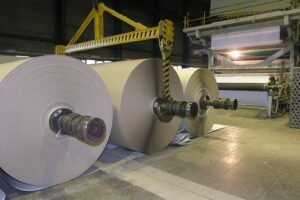
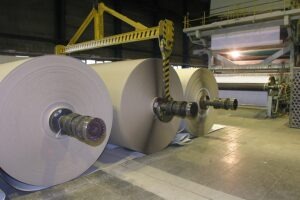
As one of India's largest industrial paper manufacturers, Muda Paper emphasized that steam plays a critical role in its production processes, positioning fuel consumption as a primary driver of direct carbon emissions. Tightening regulatory demands, clearer future carbon pricing, volatile fuel costs, rigorous ESG evaluations from global clients, and escalating supply chain disclosure requirements have rendered ongoing fossil fuel dependence a threat to sustained operations. These pressures led the company to investigate alternative energy sources, ultimately selecting biomass-based steam generation as a practical substitute after evaluating multiple choices. Malaysia's abundant agricultural residues, especially palm oil byproducts, offer a steady local fuel option that cuts emissions while preserving production efficiency, according to the company. Muda Paper collaborated with Wasco Greenergy to create a customized biomass system. The initial installation yielded over 20 percent reduction in Scope 1 emissions within its first year. Encouraged by reliable results, a larger second biomass boiler was deployed at another site. Beyond fuel transition, enhanced monitoring, data analytics, predictive maintenance, and efficiency improvements bolster system stability. Clean energy proves cost-competitive with proper engineering, countering assumptions of inevitable expense hikes. Evolving client demands for emissions transparency, sustainability, and supply chain visibility turn early adoption into a strategic edge. Effective biomass deployment hinges on precise design, uniform fuel quality, and partnerships with proven experts for enduring performance and risk mitigation. Muda Paper views biomass and renewables as viable paths for Malaysian industries reliant on steam and heat to lower emissions. With carbon intensity gaining prominence in worldwide supply chains, more firms will likely shift amid regulatory and market forces.