When the global pulp and paper industry moves, we report it first — trusted by 10000 subscribers across 85 countries

Online Commerce in Spain Ends 2025 with 15.2 Million Items Returned Due to Shipping Damage
PAPER INDUSTRY NEWS
Jino John
2/2/20262 min read
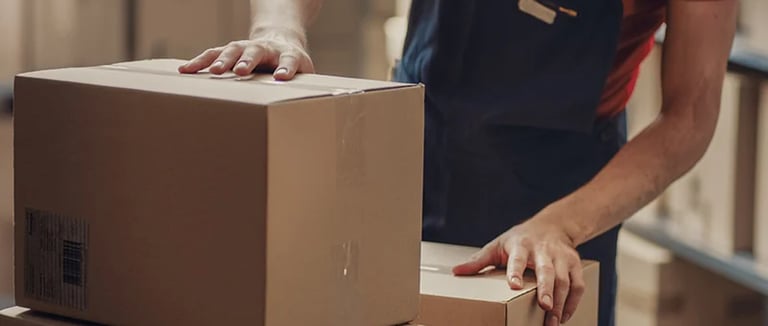
Retailers in Spain face the consequences of damaged packages following the most intense period of online sales, including Black Friday, Christmas holidays, and winter sales. Returns for this reason now affect 88% of online retailers and one in five consumers, with an annual cost exceeding 1,000 million euros, according to the latest industry report coordinated by DS Smith.
In Spain, one in five people (21%) who buy online received at least one damaged item during 2025. This issue undermines consumer trust and business profits, leading to millions in avoidable return costs, management expenses, and customer loss. The latest European study on e-commerce shipping involved a hundred executives from major online retailers in Spain. The research was coordinated by DS Smith, a sustainable fiber-based packaging company and part of International Paper.
Spanish retailers estimate an average of 5.5% of packages reported as damaged, projecting 15.2 million items returned annually for this reason. Nine out of ten retailers (88%) acknowledge that damaged deliveries impact their business. The study reveals this ranks as the sixth concern for companies, on par with financial and cash flow pressures, and above staff shortages. The economic cost of this growing phenomenon, tied to online sales expansion, exceeds 1,000 million euros annually in Spain, with an average damaged item value of 68 euros. One in four retailers (26%) reports increased operational costs from returns in the past year. Beyond damaged items, Spanish retailers spend an average of 30,876 euros yearly just on return processing, reaching over half a million euros for large distributors.
This also affects brand reputation and consumer trust. 10% of companies report customer loss due to shipping issues. Consumers confirm: over half (58%) say they would be less likely to reorder from that store, while 49% would view the company negatively. Products most prone to damage include clothing, health and beauty items, footwear, and tech gadgets, while food, jewelry, and appliances generally arrive intact. Delivery success depends on transport, packaging, and environmental conditions. Spanish retailers cite improper handling during transport as the top cause (57%), followed by packaging deficiencies (27%)—low-quality packaging, poor packing, or lack of fragile protection—and environmental factors like rain or temperature (16%).
Iago Candal, Design & Innovation Manager South West EMEA at DS Smith, explains: “We work with some of the world’s leading brands and know how damaging these issues can be for both customers and retailers. The key to solving this challenge is great design, rigorous testing, and constant innovation. At DS Smith, we conduct simulations recreating package journeys from warehouse to home to test packaging and do everything possible to protect the contents.” Retailers believe packages need impact resistance (54%), stronger materials (42%), and improved structural design (28%). But packaging science goes further: “Our R&D teams know that smart design can limit damage using recyclable materials in smaller quantities, applying this to create excellent protective and sustainable packaging solutions,” emphasizes Candal.
The Spanish survey by Opinium covered 100 retail executives and 2,000 representative consumers nationwide, with data collected in October 2025.