When the global pulp and paper industry moves, we report it first — trusted by 10000 subscribers across 85 countries
Papirus Develops Recyclable Barrier Paperboard Solutions
PAPER INDUSTRY NEWS
Jino John
1/7/20261 min read
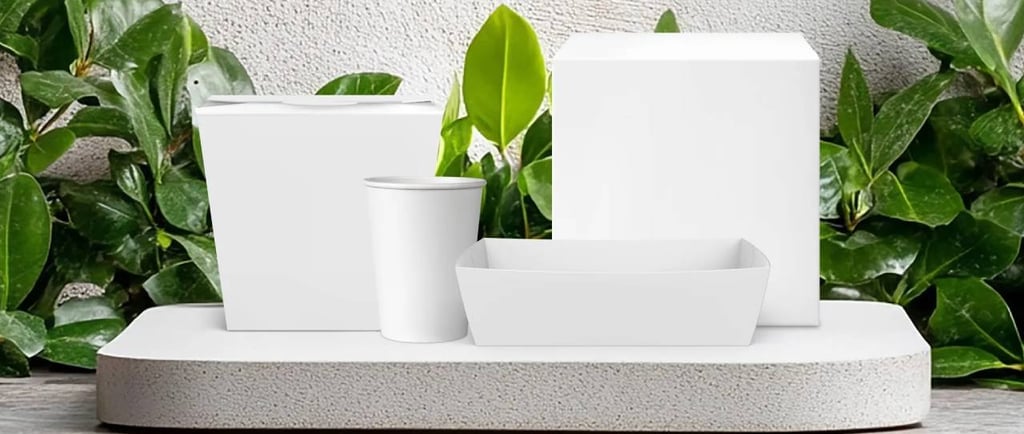
Papirus advances development of paperboard featuring recyclable barriers. The firm invests in low-fossil-content solutions to boost recyclability and reinforce circular economy principles in packaging.
The shift toward sustainable production spurs demand for renewable, recyclable packaging options. Paperboard excels with its renewable source, versatility, and superior recycling rates.
Key progress involves barrier paperboard that resists liquids while remaining recyclable, benefiting the supply chain. This addresses product protection needs alongside recyclability.
Papirus focuses substantial innovation on this area.
Christian Króes, Papirus Product and Technical Assistance Manager, notes the core issue: making barriers support rather than block recycling, fitting circular economy goals. “We have invested in research and equipment to apply chemical barriers to paperboard, so that, in some cases, they can meet applications not typical of the substrate, with high performance. Our challenge is to integrate the entire supply chain to provide a complete solution and offer it on a large scale,” he explains.
Barrier improvements enable swapping hard-to-recycle structures, aiding repulpability—paperboard's return to production as raw material. Resins with reduced fossil content enhance efficiency and circularity.
Brazil boasts high packaging recycling rates and substantial paper recovery yet lags in sustainable barriers. Fully plant-based resins lack industrial scalability but signal future innovation.
Lower-fossil alternatives offer practical transitions, balancing function, lower impact, and recycling compatibility.
Króes observes no national metrics track sustainable barrier paperboard use, but adoption trends upward. "The circular economy has already ceased to be a niche issue and has become an irreversible economic and environmental movement," he states.
He stresses barrier innovation for paperboard is essential now. "Brazil must prepare itself not only to keep up with, but to play a leading role in this new chapter of the packaging industry," he concludes.