When the global pulp and paper industry moves, we report it first — trusted by 10000 subscribers across 85 countries
Sanyo Paper and Nagasawa Stationery Develop Bamboo Charcoal Paper to Address Neglected Forests
PAPER INDUSTRY NEWS
Jino John
3/25/20262 min read
Sanyo Paper Co., Ltd., a long-established paper recycling company based in Osaka, has partnered with Nagasawa Stationery Center Co., Ltd. in Kobe to develop “Takesumi Paper” (bamboo charcoal paper), a new recycled paper product with natural deodorizing properties.
The initiative aims to tackle the growing issue of neglected bamboo forests in Kobe City while promoting sustainable resource use through upcycling. The product will be unveiled at the 73rd Tokyo International Premium & Incentive Show Spring 2026, scheduled for April.
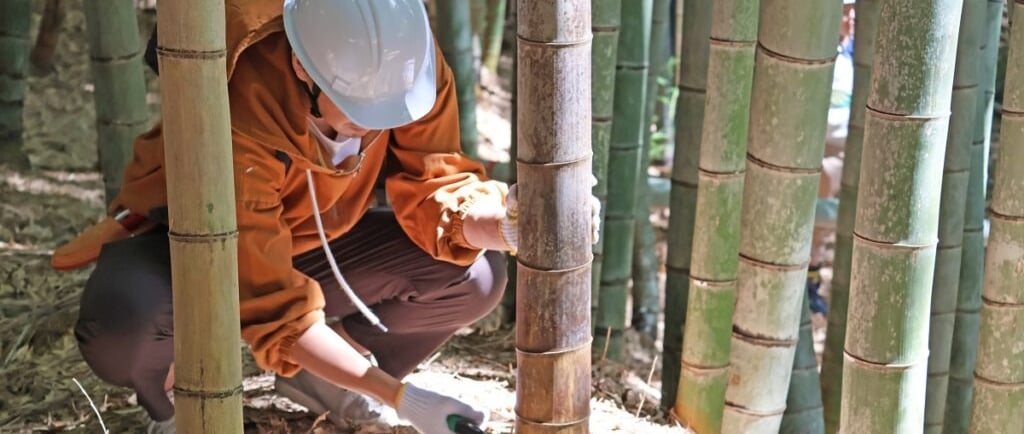
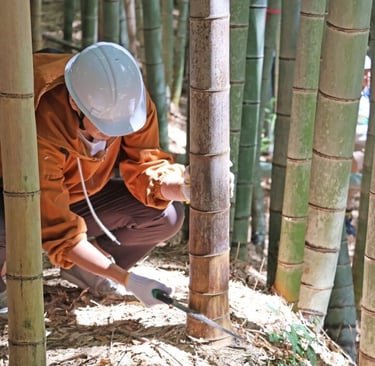
Kobe City has been grappling with rapidly expanding bamboo forests, which are increasing by approximately 15 to 30 hectares annually. This expansion is largely attributed to an aging population of landowners and a lack of successors to manage the forests. As a result, unmanaged bamboo growth has contributed to abandoned farmland, declining biodiversity, and the spread of habitats for harmful wildlife.
Recognizing the urgency of the issue, Nagasawa Stationery Center initiated efforts to find practical applications for felled bamboo. The project gained momentum after identifying local bamboo charcoal production in Kobe and collaborating with Sanyo Paper, which has expertise in producing deodorizing recycled paper, including its “plum charcoal paper.”
Launched in 2024, the joint development project leverages Sanyo Paper’s proprietary blending technology to incorporate bamboo charcoal into recycled paper. Field tests using handmade samples confirmed the material’s natural deodorizing performance, leading to the commercialization of the first product under the new material.
The initial product, “Sumieco Cook,” is a shoe deodorizing sheet designed for everyday use and promotional applications. By utilizing bamboo charcoal’s porous structure, the product provides effective odor control without relying on chemical additives.
The companies highlight three key objectives of the initiative:
Utilization of local resources: Transforming bamboo from neglected forests into valuable raw material to support regional environmental conservation
Natural functionality: Delivering safe, chemical-free deodorizing performance through bamboo charcoal
Promotion of upcycling: Converting previously underutilized or discarded bamboo into high-value paper products
Through the broader adoption of bamboo charcoal paper, the partners aim to create a sustainable circular model that addresses environmental challenges while generating new economic value. They also hope the initiative can serve as a model for other regions in Japan facing similar issues with unmanaged bamboo forests.