When the global pulp and paper industry moves, we report it first — trusted by 10000 subscribers across 85 countries

South Korean Publishers Prepare Damages Suits After FTC Finds Paper Price Collusion
PAPER INDUSTRY NEWS
Jino John
5/1/20261 min read
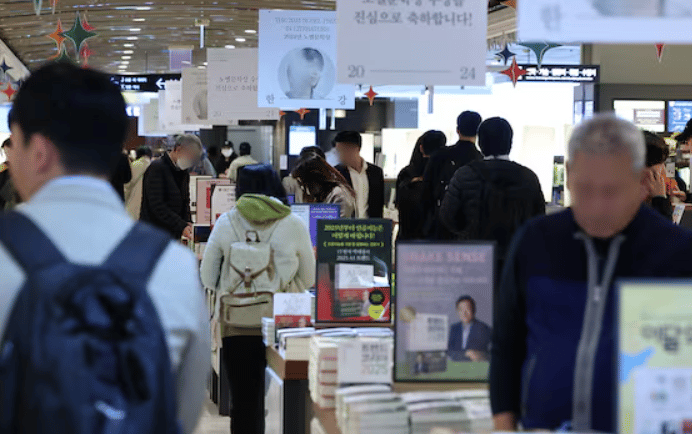
South Korea’s publishing and printing industries are preparing to file damages lawsuits against major domestic paper manufacturers following findings of price-fixing that drove printing paper costs up by more than 70% over three years.
According to legal sources, law firm LKB & Partners (LKB Pyeongsan) is organizing litigation against leading paper producers and has circulated participation proposals to publishers, newspapers, and printing companies. Several firms are reviewing whether to join the action.
The move follows a decision by the Korea Fair Trade Commission (KFTC) on April 23 to impose a combined 338.3 billion won (approximately $250 million) in fines and corrective orders on six companies: Moorim SP, Moorim Paper, Moorim P&P, Hankuk Paper, Hansol Paper, and Hongwon Paper. The regulator found that the companies colluded to fix printing paper prices, marking the fifth-largest penalty ever issued in a cartel case by the agency.
The KFTC determined that between February 2021 and December 2024, the companies held at least 60 meetings and carried out seven coordinated price increases. As a result, printing paper prices rose by an average of 71%, significantly impacting production costs for books, textbooks, and magazines.
The price surge contributed to a broader “book inflation” trend in South Korea. Data from the Publication Industry Promotion Agency of Korea (KPIPA) shows that between 2021 and 2024, 28,296 book titles increased their list prices, compared with 4,531 that reduced prices.
Legal analysts say the confirmed collusion and its direct link to price increases strengthen the likelihood that courts will recognize liability for damages. LKB Pyeongsan is reportedly considering claims equivalent to about 10% of affected companies’ paper purchase costs during the collusion period, though final compensation amounts will depend on court assessments.
Eligible plaintiffs include not only direct buyers but also companies that purchased paper through distributors, as well as individual consumers able to demonstrate purchases.
The case reflects a broader rise in collusion-related damages litigation in South Korea, with similar actions under consideration in other industries, including food manufacturing.