When the global pulp and paper industry moves, we report it first — trusted by 10000 subscribers across 85 countries
Tetra Pak, Sterilgarda Launch 1-Litre Aseptic Carton with Paper-Based Barrier
AWARDSPAPER INDUSTRY NEWS
Jino John
4/23/20261 min read

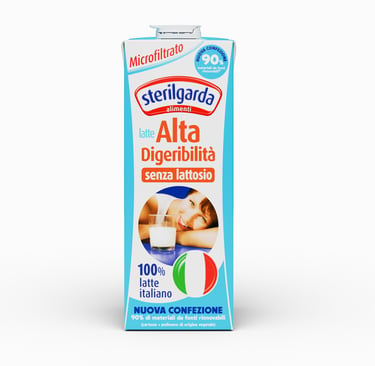
Tetra Pak, in partnership with Italian dairy producer Sterilgarda Alimenti, has introduced a 1-litre aseptic carton featuring a paper-based barrier, marking a new development in efforts to increase renewable content in beverage packaging.
The new package integrates the paper-based barrier into the Tetra Brik® Aseptic 1000 Edge format, a widely used carton design. Combined with plant-based polymers, the innovation raises the total renewable content of the package to 90%. The carton is designed for ambient distribution and is intended to deliver shelf life and performance comparable to conventional aseptic cartons that use aluminium foil barriers.
According to verification by the Carbon Trust, the updated material structure can reduce the package’s carbon footprint by up to 50%.
Giampaolo Rossi, Plant Director at Sterilgarda Alimenti, said the adoption reflects the company’s focus on aligning technological advancements with evolving consumer expectations around sustainability. He described the paper-based barrier as a significant step in advancing environmentally conscious packaging.
Tatiana Liceti, Executive Vice President for Packaging Solutions at Tetra Pak, said the development introduces a new barrier material aimed at helping food and beverage producers meet environmental targets while increasing the renewable share of cartons.
The launch follows Tetra Pak’s €60 million investment in a pilot plant for paper-based barrier technology in Lund, Sweden. The company first introduced the barrier technology in 2023 in portion-size formats, later scaling it to high-speed production lines. In 2024, the innovation received the “Resource Efficiency” award at the Sustainable Packaging News Awards.
The new barrier reduces the carton’s material composition from three components to two—paper and polymers—potentially improving recyclability by simplifying material recovery while maintaining structural performance.
Tetra Pak has stated it plans to invest approximately €100 million annually through 2030 to advance packaging solutions with higher renewable content and simplified material structures.