When the global pulp and paper industry moves, we report it first — trusted by 10000 subscribers across 85 countries

Vinyl Shortage Spurs Shift to Paper Packaging in South Korea
PAPER INDUSTRY NEWS
Jino John
4/2/20261 min read
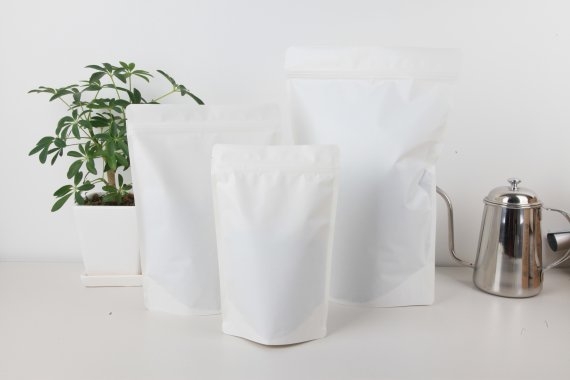
Seoul, South Korea — South Korea’s paper industry is accelerating production of paper-based packaging as disruptions in vinyl and plastic supply, driven by the Middle East conflict, push manufacturers to seek alternatives.
Industry sources said domestic paper companies are expanding supply capacity in response to rising demand for eco-friendly packaging materials. The shift comes as higher oil prices and logistics instability increase costs and volatility in petrochemical-based packaging, prompting what industry observers describe as a broader “de-plasticization” trend.
Korean manufacturers have developed technologies to replace vinyl and plastic packaging with paper-based solutions through sustained research and development. Recent innovations include paper packaging capable of vacuum-sealing food products such as home meal replacements, as well as moisture-resistant pouches suitable for items like sheet masks and ice cream. Paper alternatives are also being applied to products including straws, ramen packaging, cosmetics, and shopping bags, although adoption had previously been limited by higher production costs.
Moorim Group stated it is positioned to respond quickly to market demand, citing its integrated operations spanning pulp production and paper packaging manufacturing. Kleannara is enhancing its supply stability by upgrading packaging production capabilities and plans to expand output through its Packaging Solutions division.
Meanwhile, Hansol Paper is preparing to introduce new paper packaging products under its “Protego” and “Terravas” brands, aimed at replacing conventional vinyl packaging amid the supply shortage.
Industry experts and academics expect the current petrochemical supply chain disruption to accelerate adoption of paper-based materials, particularly for disposable packaging. However, they note that long-term growth will depend on continued policy support to address cost and scalability challenges.