When the global pulp and paper industry moves, we report it first — trusted by 10000 subscribers across 85 countries
Arauco Argentina Accelerates Circular Economy with Zero Waste 2030 Program
PAPER INDUSTRY NEWS
Jino John
11/29/20251 min read
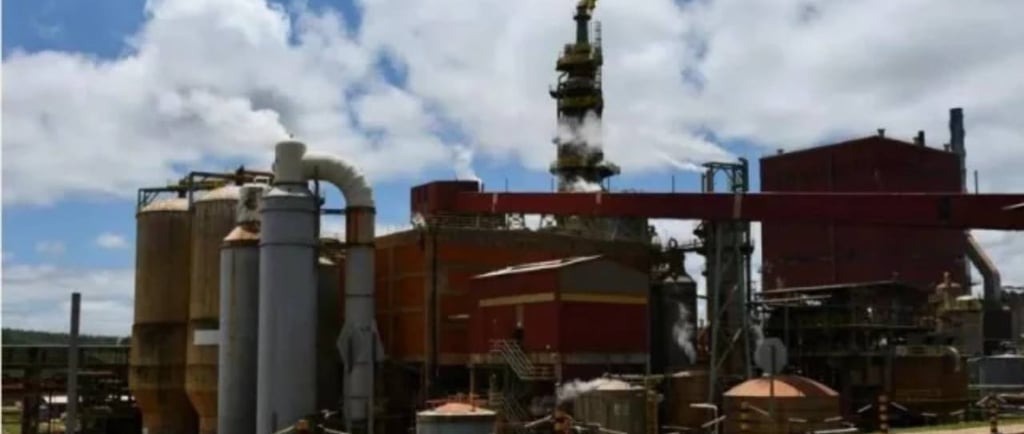
Arauco Argentina is strengthening its position in the forestry industry by promoting its "Zero Waste 2030" program, a strategy that seeks to maximize resource efficiency, reduce emissions, and transform the production model toward a circular economy. The company, considered one of the main employers and exporters in Misiones province, processes approximately 5,000 tons of wood daily at its Puerto Esperanza plant, where it operates with automated systems and employs between 600 and 800 workers.
The plan aims to reduce CO₂ emissions by 1.5 million tons by 2030, a figure comparable to taking approximately 330,000 vehicles off the road. To achieve this, the company intends to valorize all of the industrial waste it generates, allocating it to agricultural, energy, and industrial uses with economic and social impact in the region.
The strategy is structured around three central pillars: the conservation and restoration of over 500,000 hectares under sustainable management, the replacement of plastics with natural fibers, and the technological valorization of byproducts such as ash, sludge, and bark. These materials are transformed into mineral amendments of high agronomic value, currently applied to local crops of squash, corn, cassava, tobacco, and yerba mate.
Arauco Argentina also maintains research and development partnerships with INTA and Papel Misionero, aimed at validating new uses for byproducts and generating business opportunities for regional industries. Some of these materials are also being incorporated into the production of bricks, cement, asphalt, paints, and activated carbon for export and technological applications.
The model stipulates that byproducts will be delivered free of charge to local producers and companies, provided they are integrated into value-added processes. With this, the company seeks to strengthen the regional economy and consolidate a sustainable industrial ecosystem. Currently, Arauco Argentina recycles 60% of its waste and plans to increase that percentage to 100% in the coming years through segregation, traceability, and recovery systems.
With this initiative, the company strengthens its competitiveness and its commitment to sustainability, positioning itself as a leader in the circular economy in Latin America. Its strategy combines technological innovation, operational efficiency, and environmental responsibility, aligning with the Sustainable Development Goals.