When the global pulp and paper industry moves, we report it first — trusted by 11,000+ subscribers across 85 countries
Discover the Story Behind Every Sheet of Paper
How Paper Comes Alive
Paper is one of the most remarkable inventions in human history. It carries our ideas, preserves our knowledge, packages our products, and supports countless industries around the world. Yet, few people stop to think about how a simple sheet of paper is made.
Welcome to the Paper Knowledge Center by Pulp & Paper Chronicle—your trusted resource for understanding paper, from forests to finished products. Whether you're a student, an industry professional, a business owner, or simply curious, this guide explains the fascinating world of paper in a clear and engaging way.
What is Paper?
Paper is a thin sheet made primarily from cellulose fibers, which are obtained from wood, recycled paper, agricultural residues, and other plant-based materials. These fibers are bonded together using water, pressure, and drying processes to create a strong, flexible material.
Today, paper is used for much more than writing. It plays a vital role in:
Books and newspapers
Packaging and shipping
Tissue and hygiene products
Food packaging
Labels and printing
Banking and security documents
Medical and industrial applications
Almost every person uses paper multiple times every day, often without noticing it.
Where Does Paper Come From?
Many people believe paper is simply made from trees. While wood is an important source, modern paper production relies on a variety of renewable materials.
Common Raw Materials
Sustainably grown trees
Recycled paper
Bamboo
Bagasse (sugarcane residue)
Wheat straw
Rice straw
Cotton fibers
Hemp and other plant fibers
Most paper manufacturers carefully manage resources by combining fresh fibers with recycled fibers to reduce environmental impact.
The Journey of Paper
Every sheet of paper goes through several carefully controlled steps before reaching your hands.
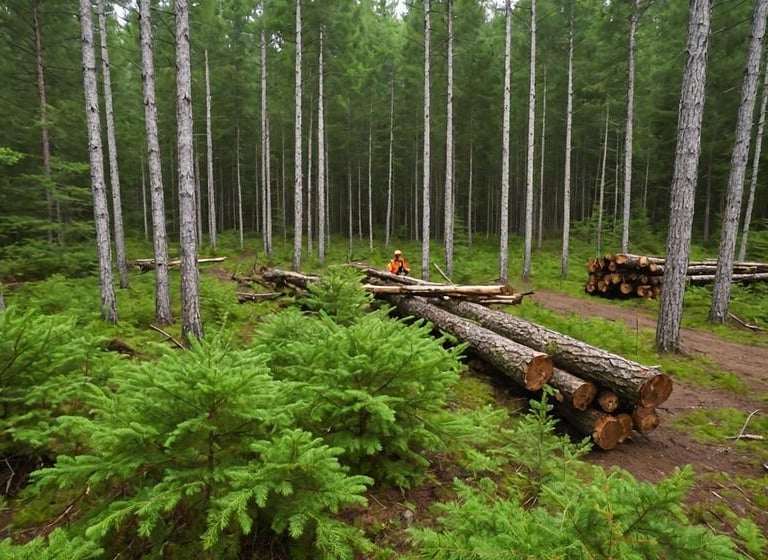
Step 1 – Harvesting Sustainable Wood
Trees grown specifically for papermaking are harvested from managed forests where new trees are planted to replace those that are used. This helps ensure forests continue to grow for future generations.
Responsible forestry protects biodiversity, wildlife, and local communities while providing renewable raw materials.
Step 2 – Making Pulp
The wood is debarked and cut into small chips.
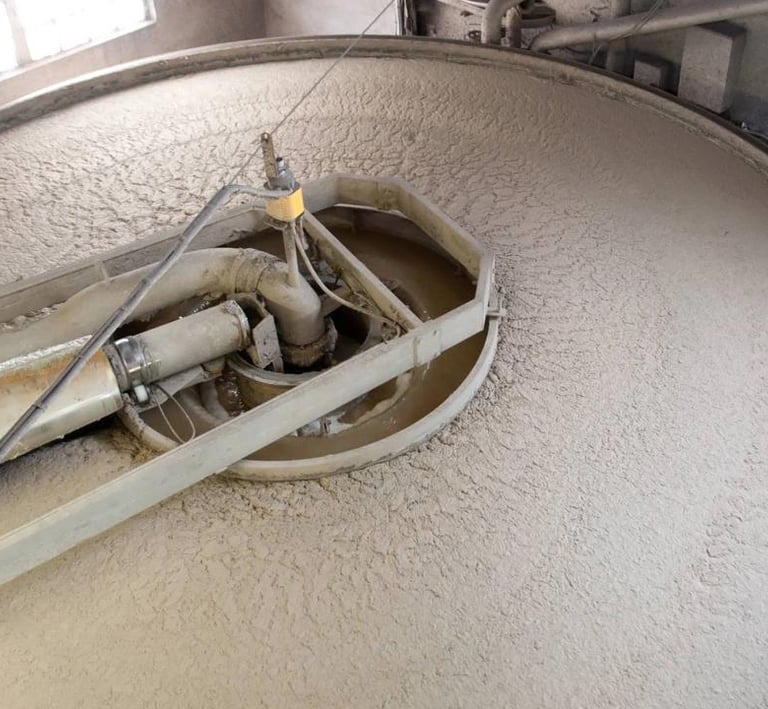
These chips are transformed into pulp, which is a mixture of tiny cellulose fibers suspended in water.
There are two main methods:
Mechanical Pulping
Wood is ground into fibers.
High yield.
Used mainly for newspapers and magazines.
Lower cost but less durable.
Chemical Pulping
Chemicals dissolve the natural glue (lignin) that binds fibers together.
Produces stronger and brighter fibers.
Used for writing paper, packaging, tissue, and premium grades.
Step 3 – Cleaning the Pulp
The pulp is washed and screened to remove bark, dirt, knots, and unwanted particles.
At this stage, the fibers become cleaner, more uniform, and ready for papermaking.
Step 4 – Bleaching (When Needed)
Not all paper is white.
If bright white paper is required, the pulp is bleached using carefully controlled processes designed to preserve fiber quality while reducing environmental impact.
Many modern mills use environmentally improved bleaching technologies that minimize emissions and water pollution.
Step 5 – Mixing the Ingredients
The cleaned pulp is mixed with:
Water
Fillers
Starch
Dyes
Strength additives
Retention chemicals
More than 99% of this mixture is water.
Although the pulp looks like a watery soup, it contains everything needed to form paper.
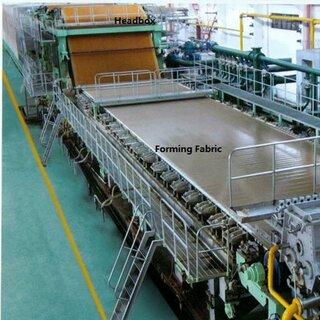
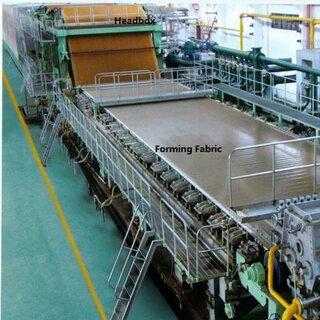
Step 6 – Forming the Sheet
The pulp is spread evenly onto a fast-moving wire mesh called the forming section.
Water drains away through the mesh while the fibers naturally lock together to form a continuous paper sheet.
This is where paper begins to take shape.
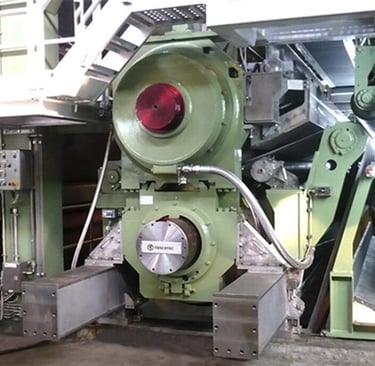
Step 7 – Pressing
The wet paper passes through large rollers.
These rollers squeeze out additional water while making the sheet stronger and smoother.
Pressing significantly reduces the energy needed for drying.
Step 8 – Drying
The paper moves over large heated drying cylinders.
Moisture evaporates until the sheet reaches the desired dryness.
At this stage, paper becomes strong enough to be wound into giant rolls.
Some of these rolls weigh more than 50 tonnes.
Step 9 – Surface Finishing
Depending on the final application, paper may receive additional treatments such as:
Coating
Calendaring (smoothing)
Embossing
Lamination
Surface sizing
These treatments improve print quality, appearance, strength, gloss, or water resistance.
Step 10 – Cutting and Packaging
Large rolls are converted into smaller rolls or sheets.
The finished paper is inspected for quality before being packed and shipped worldwide.
How is Recycled Paper Made?
Paper can be recycled several times.
The recycling process includes:
Collection
Sorting
Shredding
Mixing with water
Removing ink and contaminants
Cleaning
Papermaking
Recycling reduces landfill waste, conserves resources, and lowers energy use. However, paper fibers become shorter each time they are recycled, so fresh fibers are periodically added to maintain strength.
Different Types of Paper
Paper is manufactured in hundreds of grades for different purposes.
Some common categories include:
Printing Paper
Used for books, notebooks, office paper, and magazines.
Packaging Paper
Used for cartons, corrugated boxes, shopping bags, and protective packaging.
Tissue Paper
Used for toilet tissue, napkins, facial tissues, and paper towels.
Specialty Paper
Used in banking, healthcare, electronics, food packaging, labels, and industrial products.
Decorative Paper
Used for wallpapers, gift wrapping, luxury packaging, and furniture laminates.
Is Paper Sustainable?
Yes—when produced responsibly.
Modern papermaking is based on renewable resources and has made significant progress in reducing environmental impact.
Today's leading paper mills focus on:
Sustainable forestry
Water recycling
Energy efficiency
Biomass energy
Waste reduction
Carbon emission reduction
Recycling and circular economy practices
Paper is biodegradable, recyclable, and renewable, making it an important material in the transition away from many single-use plastics.
Common Myths About Paper
Myth: Paper always destroys forests.
Fact: Most paper comes from sustainably managed forests where harvested trees are replaced through replanting or natural regeneration.
Myth: Digital is completely paper-free.
Fact: Digital technologies also require energy, data centers, electronic devices, and infrastructure. Both digital and paper-based solutions have environmental impacts, and responsible use of each is important.
Myth: Paper can be recycled forever.
Fact: Paper fibers gradually shorten during recycling and can typically be reused several times before new fibers are needed.
Why the Paper Industry Matters
The paper industry supports education, communication, healthcare, e-commerce, food safety, packaging, and global trade. It also provides employment for millions of people across forestry, manufacturing, logistics, research, engineering, and recycling.
As sustainability becomes increasingly important, paper continues to evolve through innovation in fiber technology, smart packaging, recyclable materials, and environmentally responsible manufacturing.
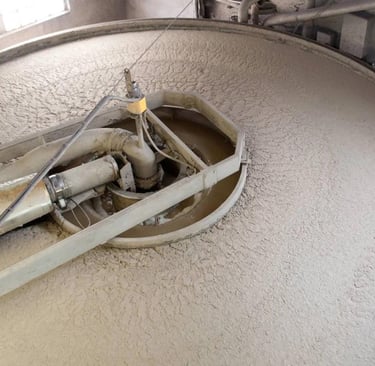
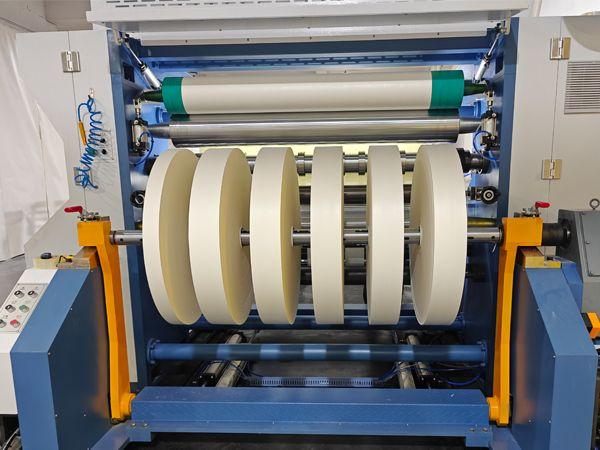
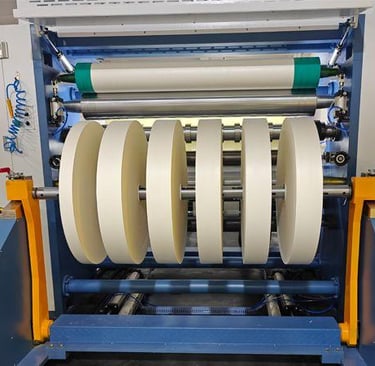
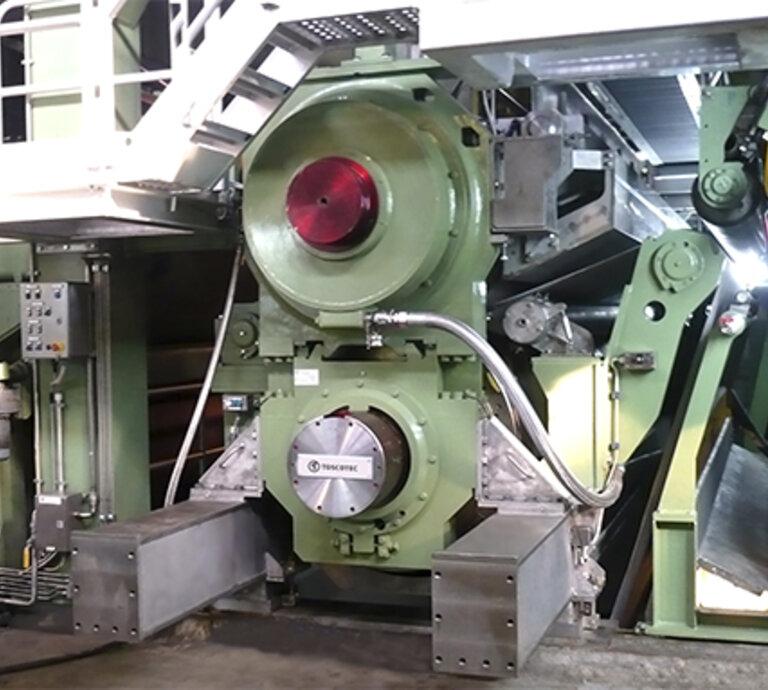
Process
Step-by-step visuals of how paper transforms from pulp to sheet.
FAQs
How is paper made?
Paper starts from wood pulp, which is processed and pressed into sheets.
What types of paper exist?
There are many types, including printing, packaging, tissue, and specialty papers.
Why is pulp important?
Pulp is the fibrous material that forms the base of paper, giving it strength and texture.
Is paper recyclable?
Yes, most paper can be recycled multiple times to reduce waste.
How does water factor in paper making?
Water helps break down fibers and shapes the paper sheet during production.
What environmental impacts does paper production have?
Paper making uses energy and water, but modern mills focus on sustainability and reducing emissions.
Get in Touch
Questions or feedback? We’d love to hear from you.

