When the global pulp and paper industry moves, we report it first — trusted by 10000 subscribers across 85 countries
Carbon Balancing Gains Traction in Book Publishing Packaging
PAPER INDUSTRY NEWS
Jino John
4/4/20261 min read
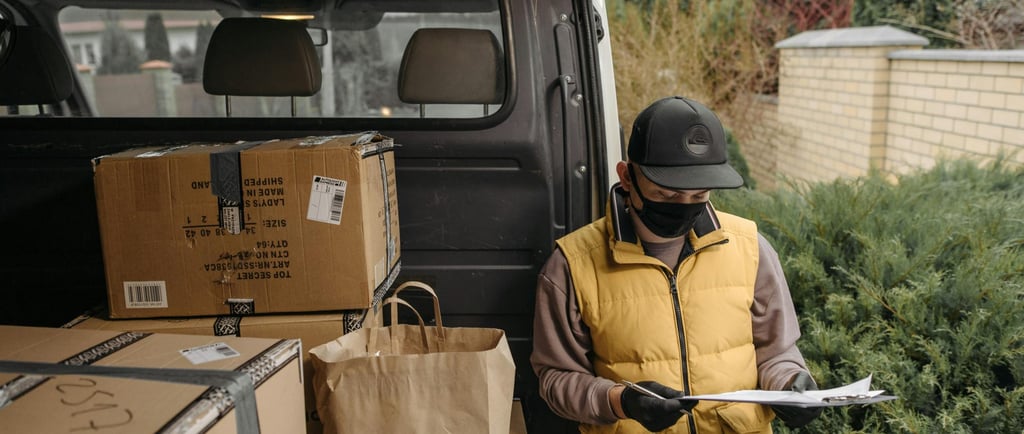
Carbon balancing strategies are increasingly being applied across the wider packaging sector, extending beyond their initial adoption in book publishing, according to information from Carbon Balanced Paper North America.
The concept of carbon balancing involves measuring greenhouse gas emissions associated with packaging production and offsetting those emissions through certified environmental projects. These typically include reforestation, habitat conservation, and renewable energy initiatives aimed at mitigating overall carbon impact.
While early adoption has been concentrated in the publishing industry, the approach is now being adopted by brands and packaging producers across multiple sectors seeking to address emissions linked to materials, conversion processes, and distribution. This reflects a broader shift toward lifecycle-based environmental accountability in packaging.
Carbon balancing is positioned as a complementary strategy to emissions reduction and recycling. Companies are encouraged to first minimize their carbon footprint through material efficiency, process improvements, and sustainable sourcing before offsetting remaining emissions.
The initiative also emphasizes transparency and traceability, requiring organizations to quantify emissions accurately and support verified carbon offset projects. This has led to increased collaboration between packaging manufacturers, brand owners, and environmental organizations to ensure credibility in reporting and impact claims.
According to the source, expanding carbon balancing into general packaging applications signals a growing recognition that sustainability efforts must address not only primary products but also the materials used to protect and deliver them.