When the global pulp and paper industry moves, we report it first — trusted by 11,000+ subscribers across 85 countries
Elopak Launches Low-Carbon Aluminium for Liquid Packaging Cartons
PAPER INDUSTRY NEWS
Jino John
6/9/20262 min read
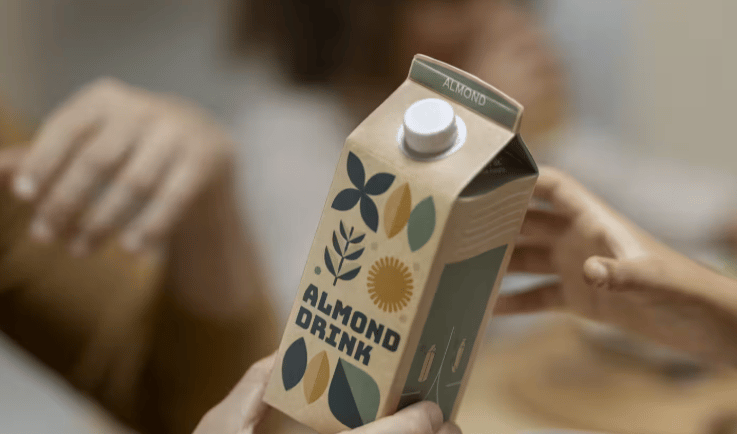

Elopak has started sourcing low-carbon aluminium made with renewable electricity in its European carton production, an important step to reduce the climate impact of its packaging materials. The low-carbon aluminium is now used in the company’s standard ambient cartons manufactured at plants in the Netherlands, Denmark and Ukraine.
The transition to low‑carbon aluminium results in an immediate 8% reduction in the carbon footprint of Elopak’s standard aluminium ambient cartons. As a result of this change, the carbon footprint of a standard aseptic Pure‑Pak® carton has been reduced from 53 to 49 g CO₂e per carton, based on cradle‑to‑gate calculations.
Commenting on the launch, Emilie Olderskog, Global Head of Sustainability at Elopak, said:
“By sourcing aluminium produced with renewable electricity, we are taking another concrete step in reducing the climate impact of our packaging materials. The introduction of low‑carbon aluminium delivers an immediate and measurable reduction in the footprint of our standard ambient cartons, while allowing us to retain the functional properties that are critical for food protection and shelf life.”
Aluminium plays an important role in ambient cartons by providing an effective barrier against light and oxygen and by enabling aseptic sealing. These properties help extend product shelf life and reduce food waste, without the need for preservatives.
Multiple life‑cycle assessments have shown that, in many applications, our liquid packaging cartons can have a lower carbon footprint than plastic packaging formats,” Olderskog continued. “At Elopak, we continue to improve the environmental performance of our cartons and work with our customers as they seek to reduce the climate impact of their packaged products.”
Prior to the introduction of low‑carbon aluminium, a standard ambient Pure‑Pak® carton had a carbon footprint of 53 g CO₂e per carton. Following the transition, this can be reduced to 49 g CO₂e per carton. Elopak also offers Pure‑Pak® eSense, its aluminium‑free aseptic carton designed for ambient distribution, which supports further emissions reductions and optimized recycling performance.
Elopak works exclusively with members of the Aluminium Stewardship Initiative (ASI), which sets requirements for responsible aluminium sourcing and environmental performance. The company is also advancing the recyclability of its cartons through material design and innovation. Across its manufacturing operations and offices, Elopak runs on 100% renewable electricity and continues to advance in low‑carbon packaging solutions. Recent sustainability‑focused innovations include the introduction in 2025 of cartons made with recycled polymers, supporting preparedness for upcoming EU Packaging and Packaging Waste Regulation (PPWR) requirements.
As regulatory expectations and customer requirements evolve, Elopak remains focused on strengthening the environmental performance of its packaging portfolio. The company will continue to develop and scale solutions that support lower emissions, efficient resource use and improved recyclability, while enabling customers to meet their own sustainability targets.