When the global pulp and paper industry moves, we report it first — trusted by 11,000+ subscribers across 85 countries

Finch Paper to End In-House Pulp Production, Cease Wood Purchases; PLC Warns of Regional Impact
PAPER INDUSTRY NEWS
Jino John
7/20/20262 min read
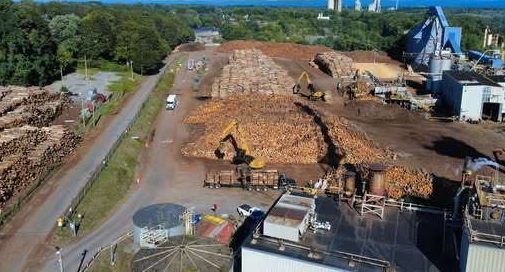
Finch Paper has announced that it will discontinue in-house pulp production and instead source all of its pulp from external suppliers, a move the company says will strengthen its paper manufacturing business while prompting concerns from the Professional Logging Contractors of the Northeast (PLC) over the future of the region's forest economy.
The 161-year-old Glens Falls paper manufacturer said the transition will allow it to expand its paper product offerings and create "a stronger, more resilient operation focused solely on its core business of paper making."
As part of the change, Finch will stop purchasing the large volumes of logs traditionally supplied by independent logging contractors across the Northeast and New England. The company said it will continue buying wood products for its biomass cogeneration facility, where bark, sawdust and rejected wood scraps are converted into high-pressure steam used in paper production.
Finch said all hourly employees working in the pulp mill and associated woodyard will be offered opportunities to transfer to other positions within the company. Many affected salaried employees will also be considered for available openings.
"Continuous adaptation and investment have been the keys to Finch Paper's success from the very beginning. This is how we continue to meet our responsibilities to our customers, our employees and our communities for many years to come," Finch Holdings CEO Drew Gardner said.
Following the announcement, the Professional Logging Contractors of the Northeast said it is deeply concerned about the decision, arguing that the loss of the Glens Falls pulp market will have significant economic consequences for logging and trucking businesses in New York, Vermont, New Hampshire and the wider Northeast.
PLC Executive Director Dana Doran said the Glens Falls mill is one of only two pulp markets in eastern New York purchasing wood from logging contractors across multiple Northeastern states, making it a critical outlet for low-grade timber that supports both business viability and sustainable forest management.
According to the PLC's most recent Logging and Trucking Economic Impact Study, member contractors have experienced a 40 percent reduction in wood markets over the past five years, resulting in revenue losses, layoffs, reduced productivity and increased uncertainty. The organization said Finch's decision will further compound these challenges.
The PLC also said the pulp market has historically provided an essential outlet for wood unsuitable for lumber, enabling contractors to carry out selective thinning and other forest management practices that improve long-term forest health.
Doran said the organization hopes Finch will reconsider the decision if global pulp market conditions improve and producing kraft pulp internally becomes more economical than purchasing it from external suppliers. He also called on federal and state governments to provide additional support to the logging and trucking sector.
According to the PLC, the Northeast logging industry contributed an estimated $1.3 billion to the regional economy in 2024, supported approximately 10,500 direct and indirect jobs, and generated an estimated $61 million in state and local tax revenue. The organization said Finch purchases most of its wood from New York and Vermont, where logging and trucking contribute more than 2,400 jobs and $280 million in economic output in New York, and 1,300 jobs and $140 million in economic output in Vermont.