When the global pulp and paper industry moves, we report it first — trusted by 11,000+ subscribers across 85 countries

Fire at Kimberly-Clark Facility in California Raises Supply Chain Concerns
PAPER INDUSTRY NEWS
Jino John
4/10/20261 min read
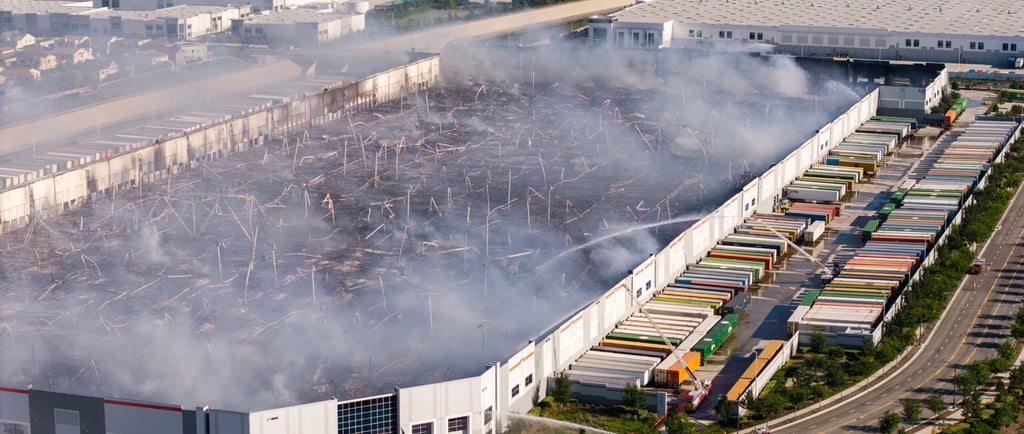
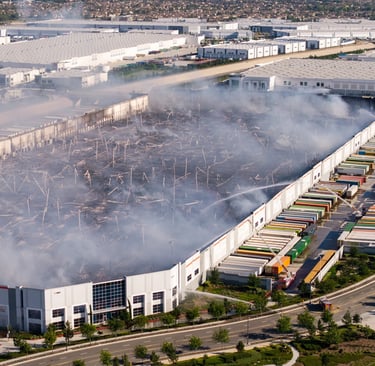
The recent fire at a facility operated by Kimberly-Clark is drawing attention beyond the immediate incident, with industry stakeholders focusing on its potential to expose deeper vulnerabilities in paper and hygiene product supply chains.
The affected site plays a key role in supplying tissue, paper and personal care products to an estimated 50 million consumers across the U.S. West Coast. Its sudden removal from the network is expected to tighten regional supply, particularly for high-volume, fast-moving goods such as tissue and hygiene products, where inventory buffers are typically limited.
The disruption comes at a time when supply chains are already under strain from external pressures, including tariffs, geopolitical uncertainty and evolving regulatory requirements. The loss of a large-scale distribution and storage hub may force manufacturers and distributors to rebalance logistics flows, increase reliance on alternative facilities and potentially extend delivery lead times.
Industry participants may need to redirect production to other domestic sites or increase imports to compensate for the shortfall. However, such adjustments can introduce additional cost pressures, especially in a market already affected by fluctuating raw material prices and transportation constraints.
The incident also underscores the risks associated with concentrated supply networks, where a single facility can serve a large geographic region. Companies may reassess contingency planning, including diversification of production footprints, strategic stockholding and the strengthening of regional partnerships to improve flexibility during disruptions.
In the near term, the exclusion of the Ontario facility from the supply chain is likely to create localized imbalances between supply and demand, with potential knock-on effects for retailers, distributors and commercial end users dependent on consistent product availability.