When the global pulp and paper industry moves, we report it first — trusted by 10000 subscribers across 85 countries

Fungal Enzyme Offers Potential Alternative to Chemicals in Pulp Bleaching
PAPER INDUSTRY NEWS
Jino John
4/8/20261 min read
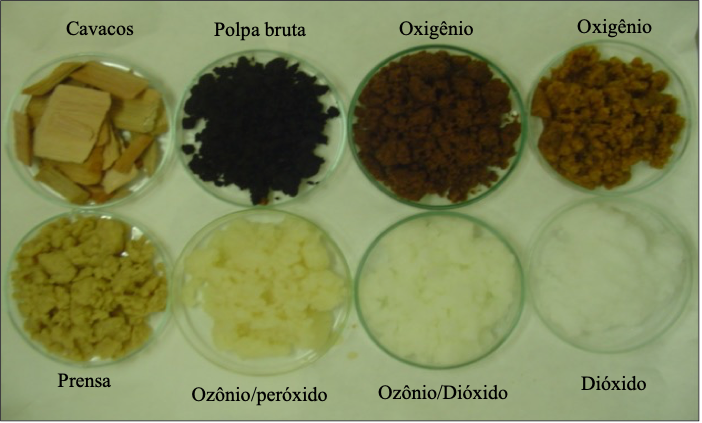
Researchers in Brazil have developed a method to produce a fungal enzyme that could reduce the use of toxic chemicals in paper pulp bleaching, offering a more sustainable approach for the industry.
The study, conducted by scientists from the University of São Paulo (USP) and São Paulo State University (UNESP), focuses on producing xylanase from the fungus Aspergillus caespitosus using agricultural residues such as sugarcane bagasse and wheat bran. The findings were published in the journal Bio Resources.
Xylanase plays a role in breaking down xylan, a component of plant cell walls, facilitating the removal of residual lignin during pulp processing. This improves pulp brightness and enhances the efficiency of subsequent bleaching stages.
Conventional pulp bleaching relies on chlorine-based chemicals such as chlorine dioxide, which are associated with environmental and health risks. The enzyme-based approach is positioned as a complementary step that can reduce the need for these substances, lowering the overall chemical load of the process.
The researchers highlighted that the enzyme demonstrates relatively high thermal stability, functioning at temperatures around 60°C, which allows it to be used in later stages of industrial bleaching where temperatures are lower.
Production of the enzyme using agro-industrial waste aligns with circular bioeconomy principles by adding value to low-cost, widely available materials. The choice of substrate depends on regional availability, with sugarcane bagasse suited to Brazil’s ethanol-producing regions and wheat bran to grain-producing areas.
Ongoing research is exploring ways to improve enzyme durability and reusability, including immobilization techniques using nanomaterials. The development highlights the potential of biotechnology to support more sustainable practices in pulp and paper manufacturing.