When the global pulp and paper industry moves, we report it first — trusted by 10000 subscribers across 85 countries
ITC Strengthens Sustainable Growth Strategy, Advances Circular Packaging and Paper Value Chain in Sustainability Report 2026
PAPER INDUSTRY NEWS
Jino John
7/11/20263 min read
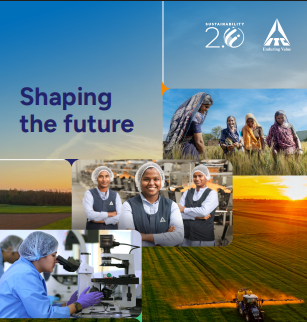
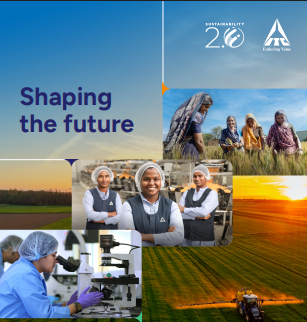
ITC Limited has released its Sustainability Report 2026, outlining progress across climate action, renewable energy, circular economy, responsible sourcing and inclusive growth while reaffirming its Sustainability 2.0 strategy aimed at building a future-ready, climate-positive and resource-efficient enterprise.
The report highlights the company's continued investment in sustainable manufacturing, particularly across its Paperboards & Specialty Papers and Packaging & Printing businesses, which play a central role in delivering renewable, fibre-based packaging solutions that support the transition away from single-use plastics.
Paperboards and Specialty Papers drive sustainable packaging
ITC said its Paperboards and Specialty Papers Business continues to strengthen its position as a leader in value-added paperboards, premium recycled paperboards and eco-labelled paper products.
The business manufactures a wide portfolio of paperboards and specialty papers serving the packaging, printing, publishing, graphics and consumer goods sectors while supporting growing demand for renewable and recyclable packaging materials.
The company stated that its Paperboards and Packaging businesses continue to promote sustainable packaging solutions designed to substitute conventional single-use plastic applications with fibre-based alternatives.
Packaging business expands innovative solutions
ITC's Packaging and Printing Business continues to provide integrated packaging solutions supported by multiple technology platforms, in-house cylinder manufacturing and blown film production capabilities.
The company said its packaging solutions are engineered to meet demanding functional requirements while enhancing product protection, shelf appeal and consumer experience across food, personal care, pharmaceuticals and FMCG applications.
The business remains focused on developing innovative and sustainable packaging formats that improve material efficiency and support circular economy objectives.
Sustainability 2.0 focuses on circular economy
According to the report, Sustainability 2.0 remains a core pillar of ITC's corporate strategy.
The framework includes initiatives aimed at:
Accelerating decarbonisation
Building green infrastructure
Scaling carbon sequestration
Promoting regenerative and climate-smart agriculture
Enhancing biodiversity
Improving water stewardship
Expanding sustainable packaging solutions
Building an effective circular economy
Advancing toward Net Zero Operations by 2050
The company said sustainability has evolved from a compliance initiative into a source of competitive advantage and long-term value creation.
Circular packaging remains a strategic priority
ITC stated that circularity lies at the centre of its sustainability agenda.
The company is strengthening its 2030 sustainable packaging targets through initiatives that include:
Improving material circularity
Reducing virgin material consumption
Enhancing end-of-life outcomes for post-consumer plastic packaging
Increasing recycling rates
Expanding waste management programmes
Supporting decentralized waste collection systems
Working with local authorities on source segregation
The company's Well-being Out of Waste (WOW) programme continues to promote waste recovery while supporting livelihoods within the recycling ecosystem.
Climate and renewable energy progress
ITC reported that renewable energy now contributes more than 51% of its total energy consumption, exceeding its Sustainability 2.0 target for the second consecutive year.
The company has also achieved:
Plastic neutrality since FY2021-22
Approximately 99% recycling or reuse of solid waste generated at ITC units
More than 67 million kilolitres of cumulative rainwater harvesting potential
Four sub-river basins made water positive through watershed initiatives
ITC has reaffirmed its commitment to achieving Net Zero Operations by 2050.
Sustainable fibre and responsible sourcing
The report highlights continued investment in responsible forestry and sustainable fibre sourcing.
ITC's afforestation programme has covered more than 1.48 million acres, generating over 270 million person-days of employment while contributing significantly to carbon sequestration.
The company also continues to strengthen sustainable supply chains through responsible sourcing, biodiversity conservation and climate-resilient agriculture, helping ensure long-term fibre availability for its paper and packaging operations.
Supporting sustainable manufacturing
ITC said digital technologies, innovation and advanced manufacturing continue to improve operational efficiency across its businesses.
Its Sustainability 2.0 roadmap includes reducing emissions across Scope 1 and Scope 2 operations while progressively strengthening measurement and management of Scope 3 emissions across supply chains.
The company is also integrating Life Cycle Assessment (LCA) methodologies into product development to support more sustainable paper, packaging and consumer product solutions.
Business outlook
ITC stated that its integrated strategy combines innovation, sustainability, digital transformation and supply chain resilience to build long-term competitiveness.
Within the paper and packaging sector, the company expects continued growth through value-added paperboards, specialty papers and fibre-based packaging solutions that respond to increasing demand for recyclable, renewable and circular packaging materials.
The Sustainability Report 2026 positions paperboards, specialty papers and packaging as important contributors to ITC's broader objective of creating economic, environmental and social value through responsible competitiveness.