When the global pulp and paper industry moves, we report it first — trusted by 10000 subscribers across 85 countries

KAMA Increased Operational Efficiency by Implementing 1C:ERP
PAPER INDUSTRY NEWS
Jino John
7/7/20261 min read
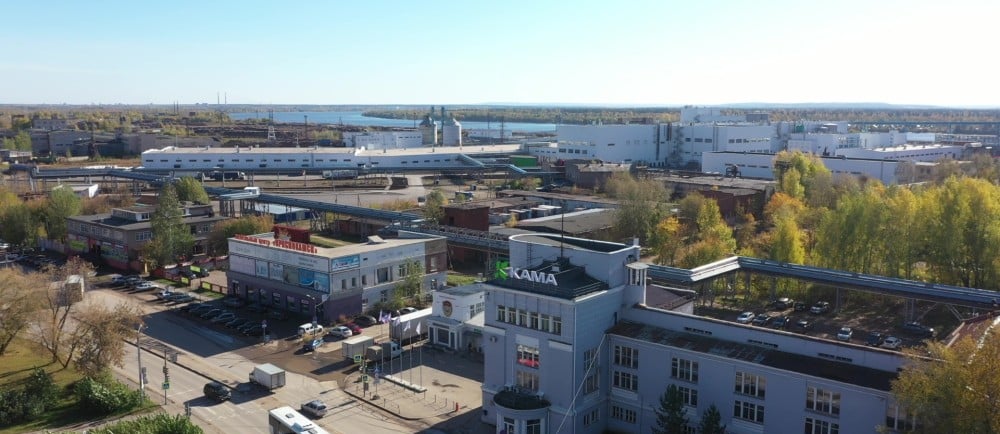
The KAMA cardboard and paper mill, part of the Sveza forestry group, implemented a new 1C:ERP-based information system tailored to the industry's specific needs. The project improved the operational efficiency of production and business processes, making the company more flexible and competitive. Investment in the new IT infrastructure exceeded 180 million rubles.
The project began in 2024, when KAMA became part of the Sveza Group. The contractor was tasked with integrating management and accounting into a single digital system, reducing the use of disparate software products. As a result, key processes—from calculating raw material requirements for production to generating financial statements—were integrated into a single system. The new platform supports up to 400 simultaneous users.
The most significant management benefits were achieved in resource control and operational planning. Cost calculation time has been reduced threefold, to just one and a half hours, and data integration with the Payroll and HR Management (PRM) module now takes just two to three minutes. Furthermore, the system is integrated with Diadoc, 1C:Document Management, TRIM, and MES.
Profound changes to budgeting and production accounting processes have enabled the plant to respond more quickly to customer requests.
"We've completely restructured our budgeting processes, implementing a real-time mode for monitoring cash and procurement limits. The new system provides us with comprehensive analytics: we can see the dynamics of raw material consumption rates and adjust plans even before the end of the reporting period. This is essential for fulfilling contracts within tight deadlines and meeting the Sveza Group's unified quality standards, " emphasized Irina Podtyazhkina , Financial Director of KBK KAMA.
The implemented phase laid the foundation for further development. The second phase of the project, which includes the creation of a sales and production planning model, began in May 2026. This will strengthen the focus on market demand and improve the accuracy of order fulfillment.