When the global pulp and paper industry moves, we report it first — trusted by 11,000+ subscribers across 85 countries

Mellanskog Cuts Timber Prices for Fifth Time Since Autumn 2025 Amid Weak Demand
PAPER INDUSTRY NEWS
Jino John
4/15/20261 min read
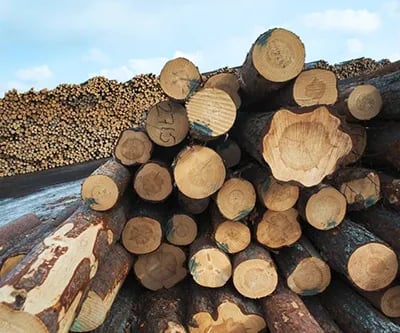
Mellanskog has announced another reduction in timber prices, marking its fifth cut since autumn 2025 as demand across the forestry and wood products sector continues to decline.
The latest adjustment, the second in 2026 following a reduction in February, lowers sawlog prices by between SEK 30 and SEK 150 per cubic metre (approximately €2.8–13.9), depending on wood species. Pulpwood prices have also been reduced, falling by SEK 40 to SEK 90 per cubic metre (around €3.7–8.3).
The association cited weakening demand as the primary driver behind the decision. Market conditions have deteriorated amid reduced activity in construction and broader industrial sectors, leading to downward pressure on timber consumption across Europe.
“The weaker demand means that price levels need to be adjusted downward,” the organization said.
The sustained series of price cuts follows a period of relatively high timber prices, which are now easing as market conditions cool. Across Europe, lower construction activity and subdued industrial demand have reduced the need for wood products, reinforcing the downward trend.
Differences in measurement standards between Nordic markets complicate direct price comparisons. In Sweden, timber volumes are calculated excluding bark, whereas in Finland measurements include bark, affecting reported price levels despite otherwise interconnected markets.
For Swedish forest owners, the continued price decline signals more uncertain revenues after a period of strong earnings. At the same time, sawmills and pulp and paper producers are also impacted, as demand for end products such as construction materials and paper remains subdued.
Looking ahead, timber prices are expected to remain under pressure, particularly if construction activity across Europe does not recover. Broader economic factors, including interest rates, inflation, and global demand for forest products, are likely to continue influencing market conditions.