When the global pulp and paper industry moves, we report it first — trusted by 11,000+ subscribers across 85 countries

SCA Report Says Reduced Logging Would Deliver Limited Climate Benefits While Increasing Economic Costs
PAPER INDUSTRY NEWS
Jino John
6/12/20262 min read
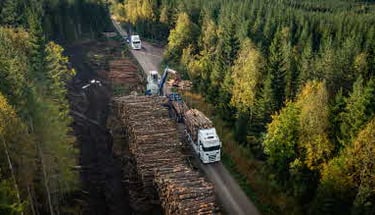
Swedish forest products company SCA has published a new report examining the effects of proposed forestry policy measures, concluding that reduced logging would provide limited climate benefits while significantly affecting raw material supply, employment and economic activity.
The analysis evaluates several policy proposals currently being discussed within the framework of European Union forest policy development, including reduced harvesting levels, increased conservation set-asides and greater use of continuous-cover forestry methods. According to the report, lower harvesting levels would result in a nearly proportional reduction in forest raw material production and economic value. A 15% reduction in harvesting, for example, would lead to a similar decline in production and value creation.
The report identifies the most substantial impacts under a “Closer to Nature” forestry scenario, where half of Sweden’s managed forests would transition to continuous-cover forestry and a larger share of land would be reserved for natural development. Under this scenario, harvesting volumes could decline by 25–30%, while sawlog supply could fall by 30–40% over several decades. The analysis estimates this could result in the loss of between 25,000 and 35,000 jobs and reduce value added by up to one-third.
The study also examines climate implications. While lower harvesting levels may increase forest carbon storage in the short term, the report argues that reduced forest growth over time would lower carbon sequestration in both forests and harvested wood products. It further states that reduced availability of wood-based materials could weaken the substitution effect whereby wood products replace more fossil-intensive materials and energy sources.
According to the report, there is also a risk of carbon leakage if production shifts to countries with higher emissions intensity while global demand for wood products remains unchanged. Researchers involved in the analysis conclude that the climate benefits of the proposed restrictions do not outweigh the associated economic costs and could potentially result in negative overall climate outcomes when leakage effects are considered.
The report further notes that the consequences of reduced harvesting could extend beyond the forest industry. Forest biomass currently supplies a significant share of Sweden’s energy consumption, and a lower supply of forest raw materials could affect energy systems, including district heating networks.
SCA said the findings highlight the need to consider both climate and economic impacts when developing future forestry policies.