When the global pulp and paper industry moves, we report it first — trusted by 10000 subscribers across 85 countries
South Korea’s Paper Industry Calls for Structural Transition to Drive Sustainable Growth
PAPER INDUSTRY NEWS
Jino John
6/16/20262 min read
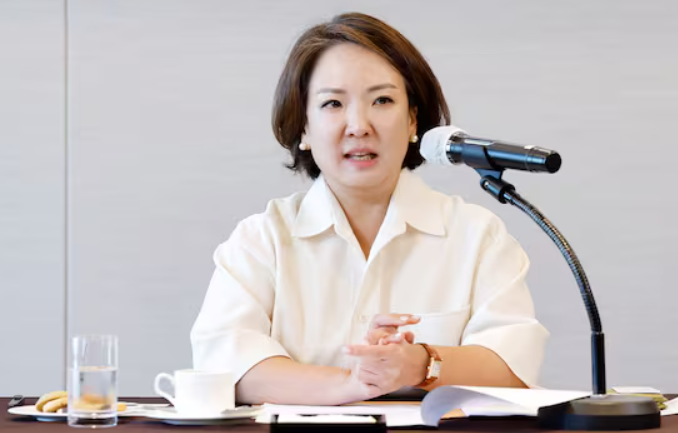
South Korea’s paper industry must move beyond cost-cutting and undertake a structural transformation focused on efficiency, sustainability, and higher-value products, according to Korea Paper Association Chairman Choi Hyun-soo.
Speaking to reporters at the Korea Press Center in Seoul on the occasion of the 10th Paper Day, Choi outlined four key pillars for the industry’s future development: AI-driven smart manufacturing, product quality differentiation, export market diversification, and stronger value chain collaboration.
South Korea currently produces approximately 11 million tons of paper annually, with an estimated production value of 27 trillion won. The country ranks eighth globally in paper production and sixth in per capita paper consumption at 184 kilograms. Around 24% of domestic production is exported.
Choi said artificial intelligence could be applied across the industry, from raw material procurement and manufacturing to distribution and energy management. He also highlighted opportunities to develop “K-Hygiene Products” modeled on the global success of Korean consumer brands and to expand applications for nanocellulose in cosmetics and semiconductor materials. In addition, he pointed to potential growth in the white cardboard market as recycling regulations tighten in North America and Europe from next year.
The chairman emphasized South Korea’s resource recycling capabilities as a strategic advantage, noting the country’s 89% recycling rate despite limited domestic forest resources.
Choi also called for consistent government policies to support long-term investment. Referring to previous policy shifts surrounding paper straws, he said companies that invested in related facilities faced losses after environmental assessments altered perceptions of their benefits. He urged authorities to provide predictable environmental guidelines, improve collection and sorting infrastructure, and offer financial and institutional support for low-carbon investments.
The industry faced significant disruption during the first half of the year due to global supply chain instability linked to tensions in the Middle East. According to a May survey by the Korea Federation of SMEs, 94.6% of companies reported increased cost burdens while 80.7% experienced raw material supply shortages.
At the same time, higher costs and supply constraints for petrochemical-based plastics contributed to increased interest in paper-based packaging alternatives. Choi said the growing adoption of paper packaging in e-commerce, food, and hygiene products signals the beginning of a broader market shift rather than a temporary trend.
“South Korea’s paper industry will evolve into a solution industry that addresses challenges in packaging, logistics, bio, and advanced materials by leveraging the infinite possibilities of paper,” Choi said.