When the global pulp and paper industry moves, we report it first — trusted by 11,000+ subscribers across 85 countries

Suzano and Moura Expand Battery Reverse Logistics Program in Forestry Operations
PAPER INDUSTRY NEWS
Jino John
6/11/20261 min read
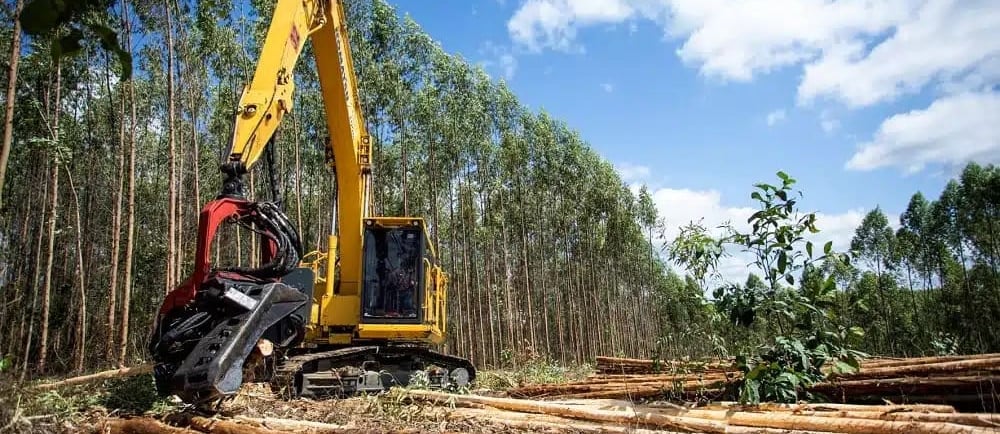
Suzano, the world's largest producer of pulp and a global manufacturer of eucalyptus-based bioproducts, has highlighted a partnership with Baterias Moura aimed at recycling and reusing lead-acid batteries used in its forestry operations, preventing improper disposal and supporting circular economy practices.
The initiative, developed through Moura’s Environmental Program (PAM), enables Suzano to return batteries that have reached the end of their useful life to the manufacturer. According to Suzano, the batteries originate from the maintenance of forestry machinery and are processed so that plastic components and critical metals can be reused in industrial production.
“The unusable batteries, resulting from the maintenance of forestry machines, need to be disposed of in an environmentally correct manner,” said Naiara Stupp Andersen, Forestry Environmental Analyst at Suzano. She added that the program provides an economic return for the company while ensuring compliance with environmental legislation.
The reverse logistics project began one year ago at Suzano’s Maintenance Centers in Teixeira de Freitas and Mucuri, in Bahia. The company said the model has since been replicated at other units, including in Mato Grosso do Sul, with plans for further expansion. The initiative aligns with Brazil’s National Solid Waste Policy (PNRS) and forms part of Suzano’s sustainability and circular economy strategy for forestry operations.
“For over 40 years, Moura has been involved in the circular economy process, which is part of our business model and directly connected to our purpose,” said Flávio Bruno, Director of Purchasing, Metals and Sustainability at Moura. He said the battery reverse logistics process demonstrates the company’s approach to transforming waste into resources.
Under the program, batteries are collected through Moura’s reverse logistics network, transported by specialized operators, and sorted for reuse, recovery, recycling, or appropriate treatment of hazardous materials. According to the companies, recovered materials can return to the production chain, helping reduce mineral extraction, carbon emissions, environmental contamination risks, and industrial waste volumes.