When the global pulp and paper industry moves, we report it first — trusted by 10000 subscribers across 85 countries

Suzano Schedules General Shutdown at Três Lagoas Unit, Mobilizing 2,300 Workers
PAPER INDUSTRY NEWS
Jino John
4/4/20261 min read
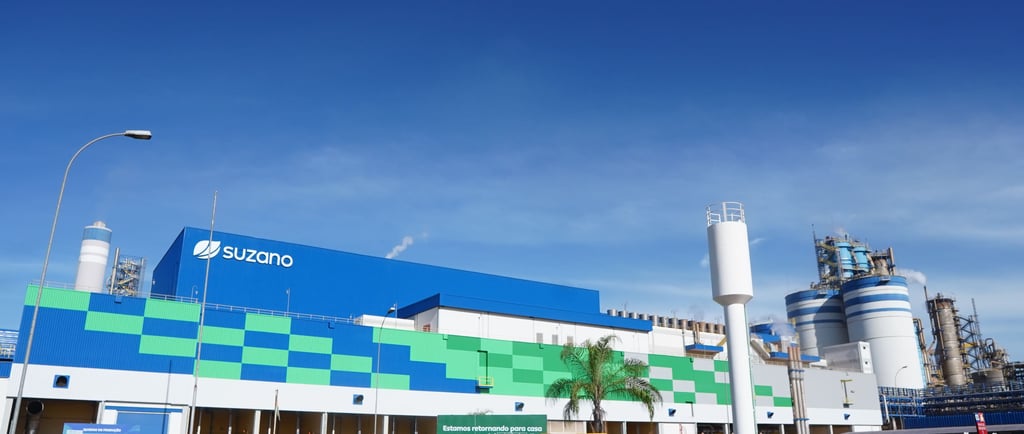
Três Lagoas, Brazil – Suzano will mobilize more than 2,300 professionals and approximately 120 service providers for a planned General Shutdown (PG) at its Três Lagoas unit, scheduled from April 5 to May 4. The maintenance operation is expected to generate a temporary economic boost for the municipality, particularly in hospitality, food services and local commerce.
According to Eduardo Ferraz, Director of Industrial Operations at Suzano in Três Lagoas, the General Shutdown is a scheduled maintenance period aimed at reviewing equipment, improving processes, and preparing the facility for a new operating cycle with a focus on safety, efficiency and sustainability. He noted that the initiative also contributes indirectly to the local economy by bringing in workers from other regions and engaging numerous service providers.
The shutdown will be conducted in two phases due to the presence of two production lines at the site. Maintenance activities at Factory 1 will take place from April 5 to 14, followed by Factory 2 from April 15 to May 4. During this period, Suzano will carry out preventive and corrective maintenance, technical inspections and, where necessary, replacement of critical components.
Service companies involved in the shutdown are also expected to hire local workers, further supporting sectors such as transportation, food services and retail. The influx of external professionals is anticipated to increase demand for accommodation and other services in the region.
General Shutdowns are periodic procedures designed to ensure operational reliability and typically prepare facilities for production cycles lasting between 15 and 18 months. Planning for such operations begins months in advance and involves strict safety protocols.
Suzano’s Três Lagoas unit began operations in 2009 with an annual capacity of 1.3 million tonnes of pulp. A second production line, inaugurated in 2017, added 1.95 million tonnes, bringing total annual capacity to 3.25 million tonnes.